Authored by
Research Matters
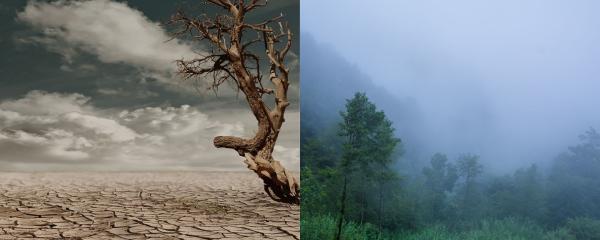
IIT Palakkad study shows how different indices used to predict drought combined with effects fof climate change can lead to different climate predictions for the future
IIT Palakkad study shows how different indices used to predict drought combined with effects fof climate change can lead to different climate predictions for the future
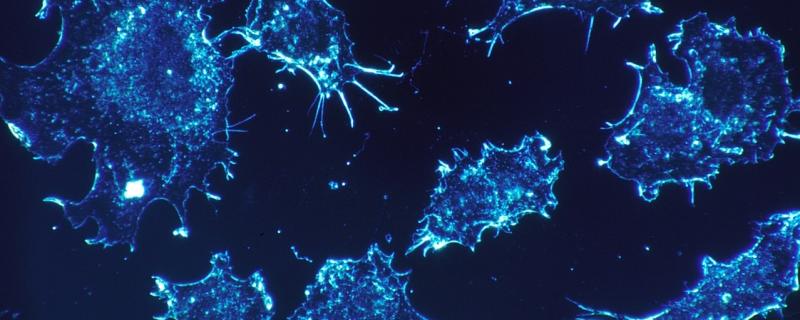
Last week, the world enthusiastically awaited one of the year’s exciting announcements—the Nobel Prize in the fields of Physiology or Medicine, Physics, and Chemistry. First of them to be announced was the Nobel Prize in Physiology or Medicine, jointly awarded to James P. Allison, Professor at the University of Texas MD Anderson Cancer Center, USA, and Tasuku Honjo, Professor at Kyoto University, Japan. They were considered for this prestigious honour for their contributions to cancer therapy using our body’s immune system to attack cancer cells.

If someone came up to you and said the stool from one person can be used as medicine to treat another, you’d most likely be disgusted or find it absurd. It sounds incredible, but it is true.
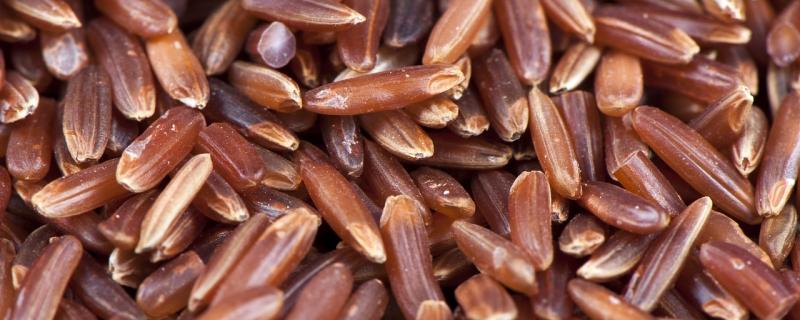
In a recent study published in the journal Scientific Reports, researchers from the Jawaharlal Nehru University, India, and Louisiana State University, USA, have analysed the differences in the genome of a variety of weedy rice, with that of two cultivated rice varieties. Weedy rice, as the name suggests, is a variety of rice that grows like weed in paddy fields.
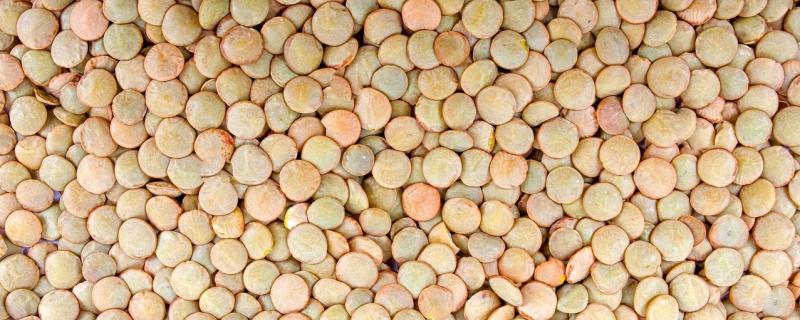
Researchers from the ICAR-Indian Institute of Pulses Research, Kanpur, have recently identified parts of the DNA in lentils that are associated with flowering.

Researchers from IIT Kanpur extract a mineral from mutton bones to drive light-based chemical reactions.
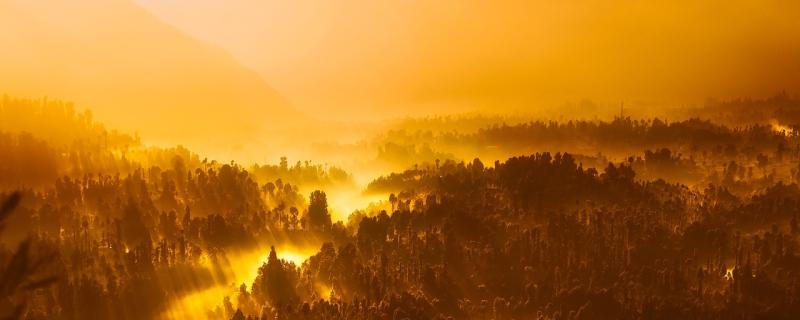
The first week of October is observed in India as the ‘Wildlife Week’.

“What had that flower to do with being white
The wayside blue and innocent heal-all?
What brought the kindred spider to that height,
Then steered the white moth hither in the night?
What but design of darkness to appall?
If design govern a thing so small.”
--Robert Frost, in his poem Design

In a recent study, published in the journal Emerging Microbes & Infections, a multi-national team of researchers have traced the trail of the Zika virus from the forests of Africa to India and other Asian countries.

In a recent finding that could unveil a hitherto unknown function of the South Asian monsoon, researchers from Germany and Cyprus have described how the South Asian monsoon plays an active role in regulating the levels of pollutants in the atmosphere.
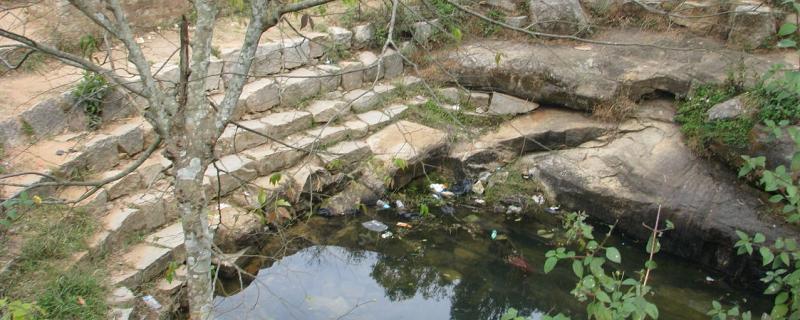
Researchers from ATREE study the factors affecting the farmer's choice of crops and the impact on water resources in the Arkavathy river basin.