Authored by
Research Matters

IIT Palakkad study shows how different indices used to predict drought combined with effects fof climate change can lead to different climate predictions for the future
IIT Palakkad study shows how different indices used to predict drought combined with effects fof climate change can lead to different climate predictions for the future
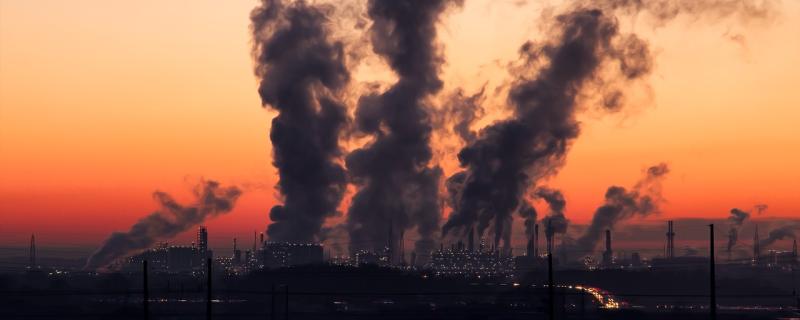
In a collaborative study, researchers from the USA, India and China detailed the health risks posed by the toxic emissions from power plants and their impacts on the mortality and life expectancy of people living in these countries.
Researchers from DST's Centre for Policy Research, the IISc, and CSIR have examined the popular measurement standards used in research and their trustworthiness.

Head and neck cancer is one among the monst commonly diagnosed types of carcinomas in the world. Studies show that in India, people from the northeastern states--Assam, Manipur, Mizoram, Tripura and Nagaland -- have the highest incidence of head and neck cancers in the country. Novel study suggests biomarkers for early, efficient and comprehensive diagnosis of the disease.

Rice is the most widely consumed staple cereal in Asia and is the agricultural commodity with the third-highest worldwide production. Paddy fields are at the eye of a storm as they are a significant contributor of greenhouse gases (GHG) like methane that are known to contribute towards global warming. The warm, waterlogged soil conditions in rice fields promote the growth of microorganisms that release carbon-dioxide and transform it into methane. One way to manage this is by increasing the ability of the soil to store more organic carbon.

Long before humans arrived on this planet, elephants have been walking on Earth. Often referred to as the ‘keystone’ species by scientists, these gentle giants play a significant role in maintaining the ecological balance of their habitat.

Researchers impress upon the importance of developing cardiovascular disease risk programs in India by utilizing survey data.

Cardiovascular diseases (CVDs)—diseases related to the heart and blood vessels—are the number one cause of death in the world. In India, CVDs account for close to 25% of the total deaths—higher than tuberculosis and respiratory diseases combined, which are second and the third cause of death.

Diabetes, a chronic condition, is the fastest growing disease in India, affecting about 49% of our population.
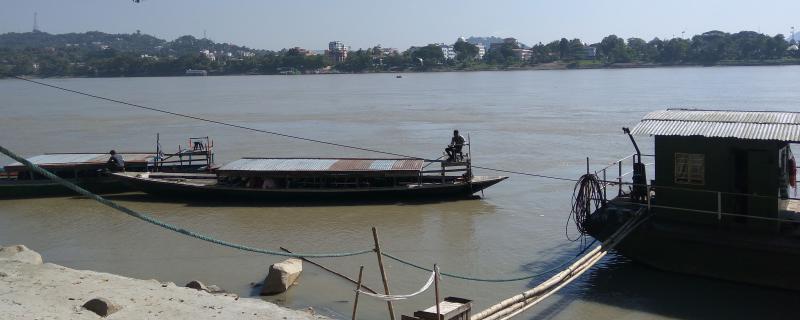
A recent study by researchers from the Department of Environmental Science, Tezpur University, Assam, and the Department of Earth Sciences, Indian Institute of Technology Gandhinagar, Gujarat on the groundwater in the Brahmaputra floodplains has revealed some alarming information. The study has detected the presence of arsenic, uranium and fluorides (compounds of the element fluorine) that can affect the wellbeing of the people in this region.