Authored by
Research Matters
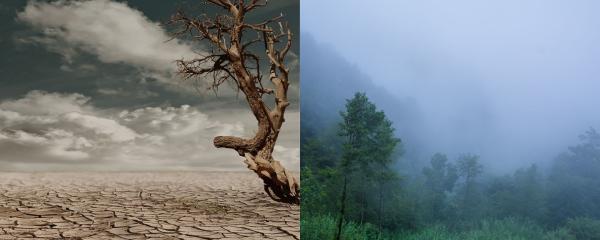
IIT Palakkad study shows how different indices used to predict drought combined with effects fof climate change can lead to different climate predictions for the future
IIT Palakkad study shows how different indices used to predict drought combined with effects fof climate change can lead to different climate predictions for the future
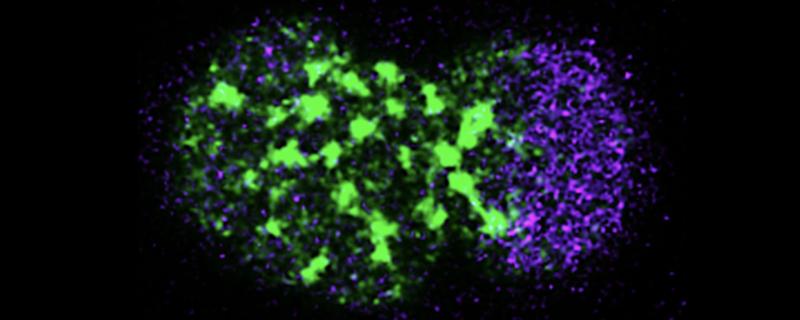
Several interacting molecular and biochemical processes are vital to establishing cell polarity. In a recent study, researchers at the Indian Institute of Science, Bengaluru, studied some of these signals in the centrosome—an organelle in the cell responsible for cellular organisation—of a single-cell embryo.
As Newton’s famous quote, “standing on the shoulders of giants”, this year, science has made considerable advances, building on many feats achieved in the past years. New discoveries, insights and inventions in the areas of astronomy, biology, medicine, paleontology and physics marked the year. Here is a selected pick of ten such breakthroughs in science witnessed in 2019.

While looking forward to 2020, the editorial team at Research Matters looks back on some of the interesting stories that we published during 2019. There were many interesting ones ranging from the first photograph of a black hole to air pollution in Delhi to using vibrations for painless injections. Here is a list to highlight India's year in science during 2019. This is in no way ranked and the order is just incidental.

2019 was an exciting year for science as ever. We have collated the top ten stories that was popular on Research Matters in 2019. These were the ones that garnered most views because of readers like you. We would like to thank you for patronage and look forward to your support in the years to come.
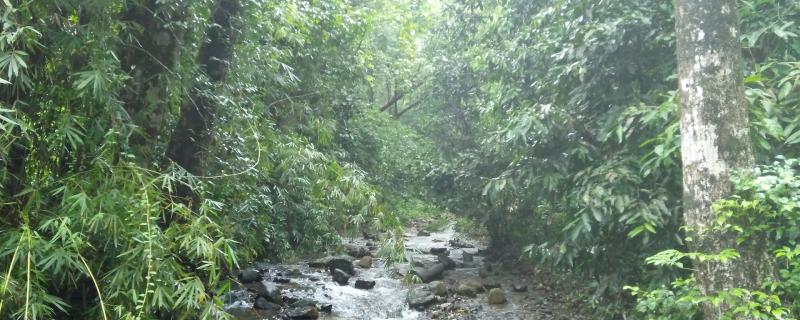
In a recent study, published in the journal Ecosphere, researchers from Columbia University, USA, and Nature Conservation Foundation, Mysore, have assessed the effects of active restoration in fragmented rainforests of the Western Ghats.

The Pradhan Mantri Ujjwala Yojna (PMUY) proved to be very attractive and has reached 80 million low-income families across the country. However, can we call it successful merely based on the number of people it has covered? A study, published by researchers from Canada, Austria, and the USA, compared the enrolment for the Ujjwala program and the trend of LPG consumption in rural Karnataka and found that although the scheme was successful in delivering its promises, it's success has been a topic of national debate.
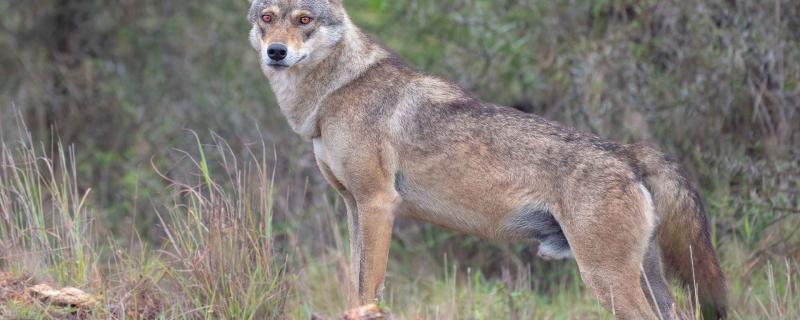
In a first effort, researchers at the Zoological Survey of India have mapped the habitat of the Indian Grey Wolves in eastern India, particularly in the Lower Gangetic Plains and Chotta Nagpur Plateau to identify suitable habitats and minimize human-wolf conflicts.
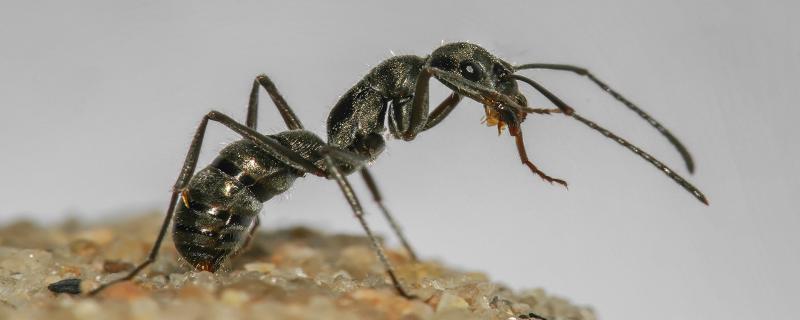
Study shows how a species of Indian ants choose the shortest path when they relocate their nest.
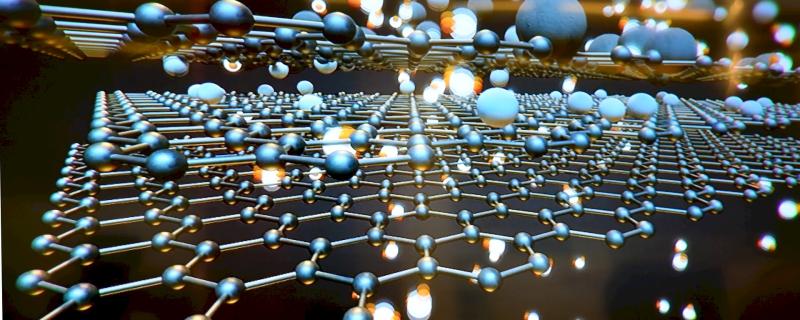
Graphene, a sheet-like form of carbon, has been hailed as a wonder material owing to its many promising applications in electronics, drug delivery and more. In a recent study, a team of scientists from India and the USA, led by Prof Srinivasan Raghavan and Prof Rudra Pratap from the Indian Institute of Science (IISc), Bengaluru, has paved the way for new applications of graphene by intentionally varying the defects formed during its production.
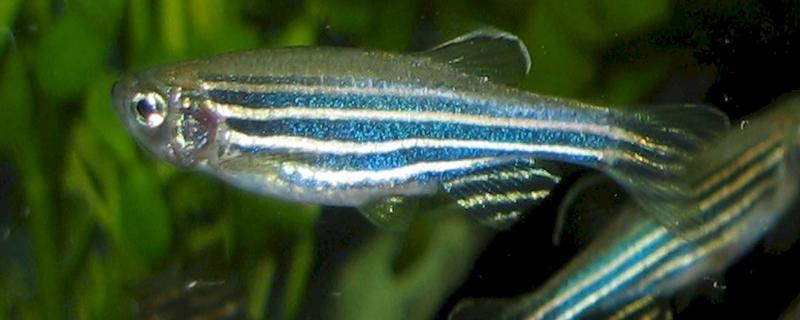
Delhi’s winter haze is infamous for disrupting the air, railway and road traffic. With visibility dropping to near zero on a few days, life-threatening accidents spike during this season. Animals, on the other hand, seem to have a trick up their sleeves—they use sounds or visual cues to help them ‘see’ through low-visibility conditions. But what about fish? Can they navigate through turbid waters? Indeed, says a study by researchers at two Indian Institutes of Science Education and Research (IISERs), Mohali and Kolkata. The researchers have shown, for the first time, how zebrafish find food in turbid waters.