Authored by
Research Matters

IIT Palakkad study shows how different indices used to predict drought combined with effects fof climate change can lead to different climate predictions for the future
IIT Palakkad study shows how different indices used to predict drought combined with effects fof climate change can lead to different climate predictions for the future

In a study published in the journal The Lancet Oncology, the researchers collected and analyzed data from various published reports such as the Global WHO FCTC Implementation Progress Reports of 2012, 2014, 2016, 2018, WHO reports on global tobacco epidemic 2013, 2015 and 2017, Global Tobacco Surveillance System Data and the WHO-NCI Monograph. They examined the prevalence, trends and policy progress in smokeless tobacco control on the lines of the WHO FCTC guidelines.

Researchers from IIT Bombay and Archaeological Survey of India, Aurangabad studied soil from the Lonar lake and found that the materials from the meteor had a significant impact on the native soil.
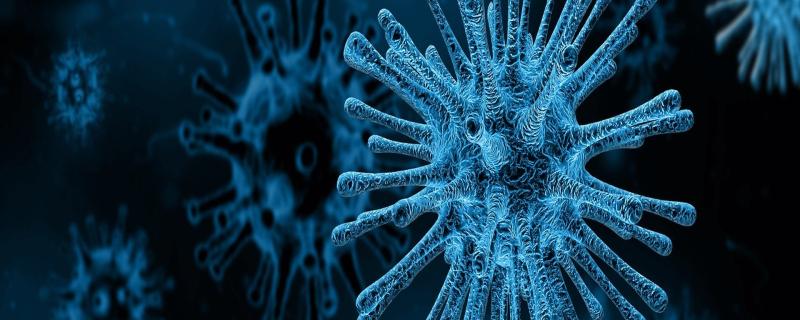
Pune researchers take a molecular modelling approach to identify drug targets for the deadly Nipah virus.

Diabetes is a metabolic disorder where the body does not produce or effectively use the hormone insulin, resulting in elevated levels of glucose in the blood. Monitoring the amount of blood glucose can aid effective diagnosis, treatment, and access to quality healthcare management to diabetic patients. One of the ways to monitor blood glucose is through commercially available biosensors. Although such a test can be done at home at any time, there is a growing need to have pain-free alternatives. Hence, researchers are exploring glucose biosensors that do not need so much blood and are reliable, accurate, biodegradable, biocompatible and user-friendly. In a recent study, published in the journal Scientific Reports, researchers at the Indian Institutes of Technology Indore and Bombay, have developed one such sensor.

Researchers from IIT Bombay, Microsoft India and Google Inc, develop a search system to extract meaningful data from live social media posts

The Indian monsoon, which sees much variability, has been crucial to the country's economy. It affects 42% of employed individuals in the country — farmers and those working in the agricultural sector. At times, a 'normal' monsoon brings enough rain to keep everyone happy, but sometimes, there is either a deluge or a drought. With recent meteorological advances, these variations can be predicted and recorded. But, how do we go back hundreds of years in time to understand the historical variability in Indian monsoon? Corals in the Red Sea may have answers, says a study by American researchers.

In a recent study, researchers from the Indian Institute of Science Education and Research, Pune, have shown that the release of calcium from the neurons in specific synapses promotes their reuse.
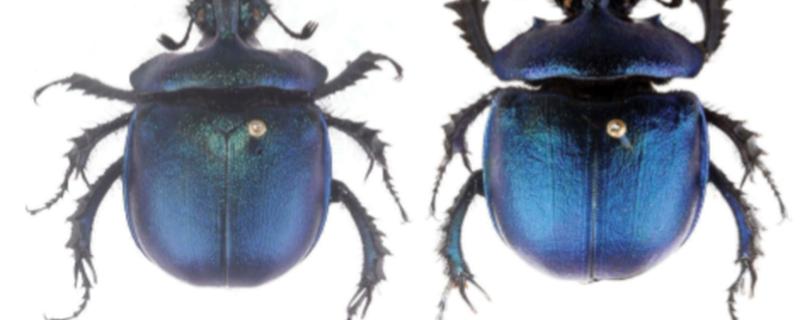
In a recent study, scientists from the Zoological Survey of India, Kolkata, have found a new species of earth-boring dung beetle in the Tawang district of Arunachal Pradesh during one of their field expeditions. Named after the district it was discovered in, Enoplotrupes tawangensis belongs to the family Geotrupidae.

In a new study, the researchers from the Raman Research Institute (RRI), Bengaluru, in collaboration with researchers from France and Chile, provide us with an understanding of the physical forces that drive axonal beading and retraction. The findings could hold new insights on understanding neurodegeneration. The results of the study, funded by the Department of Science and Technology (DST), are published in the Biophysical Journal.
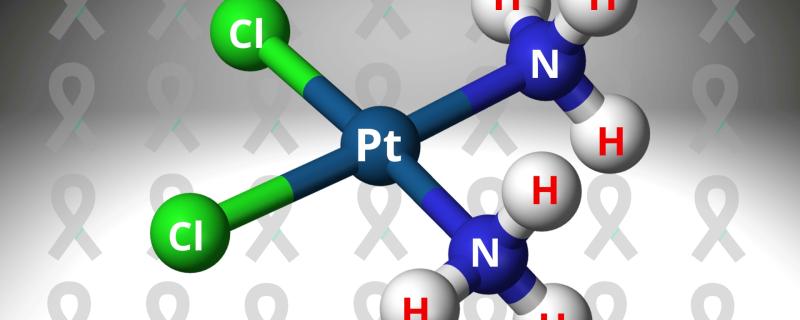
In India, one woman dies of cervical cancer every 8 minutes, and for every two women newly diagnosed with breast cancer, one succumbs to it. In 2018, all over the country, 7,84,821 people lost their lives to cancer. Numerous scientific research is underway to discover new and improved drugs for cancer. Chemotherapy, where anti-cancer drugs are administered to kill cancerous cells, is one of the traditional and most successful treatment methods. In a recent study, Dr Sumit Ghosh, from the Indian Institute of Technology, Kanpur, discusses cisplatin, the first-ever metal-based drug used in chemotherapy.