Authored by
Research Matters

IIT Palakkad study shows how different indices used to predict drought combined with effects fof climate change can lead to different climate predictions for the future
IIT Palakkad study shows how different indices used to predict drought combined with effects fof climate change can lead to different climate predictions for the future
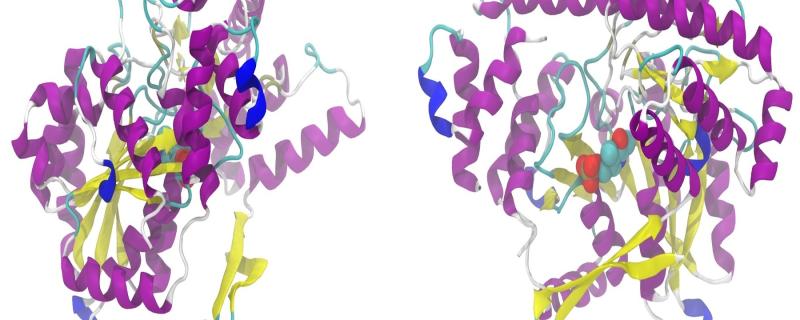
In a recent study, researchers at the Indian Institute of Science Education and Research (IISER) Mohali, have studied the mechanism behind the phase separation of the tau protein fragment that forms characteristic aggregates associated with Alzheimer's disease.

Prostate cancer occurs when the cells of the prostate gland—a male reproductive organ—start growing abnormally due to the elevated level of androgens. Androgens are hormones required for development and maintenance of the male reproductive system. Androgen Deprivation Therapy (ADT) is the most commonly used treatment against prostate cancer, wherein the androgen production is reduced or the receptors, which are required for androgen to function, are blocked with the help of drugs like enzalutamide and apalutamide.

We all remember learning to read—at first, we were taught to read each letter or sound at a time laboriously. Eventually, we picked up reading entire words and sentences effortlessly. But, it is not yet clear as to what changes in our brain when we learn to read. In a recent study, researchers at the Indian Institute of Science, Bengaluru, have identified these changes in the brain changes that help in visually processing the words and helps us to read efficiently. The study was published in the journal Psychological Science and was funded by the Department of Biotechnology-Indian Institute of Science (IISc) Partnership Programme and the Wellcome Trust/DBT India Alliance.
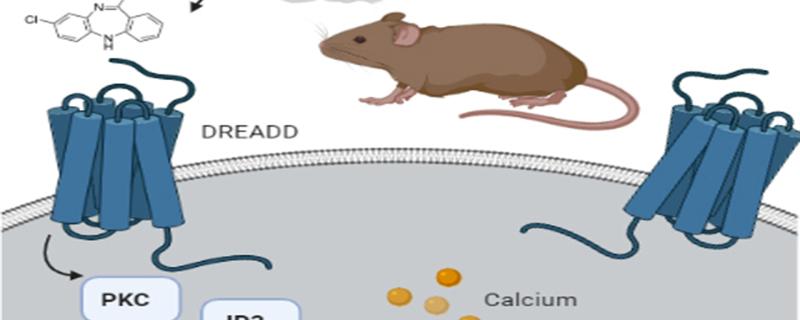
Chemogenetics is a technique that uses chemicals to understand how neurons are activated. It manipulates genes to place the neurons under the control of special receptors called DREADDS. Short for Designer Receptors Activated by Designer Drugs, these receptors only bind to an inert chemical called Clozapine-N-Oxide (CNO). In a recent study, researchers from the Tata Institute of Fundamental Research (TIFR), Mumbai, and Jawaharlal Nehru Center for Advanced Scientific Research (JNCASR), Bengaluru, point out specific flaws in this technique.
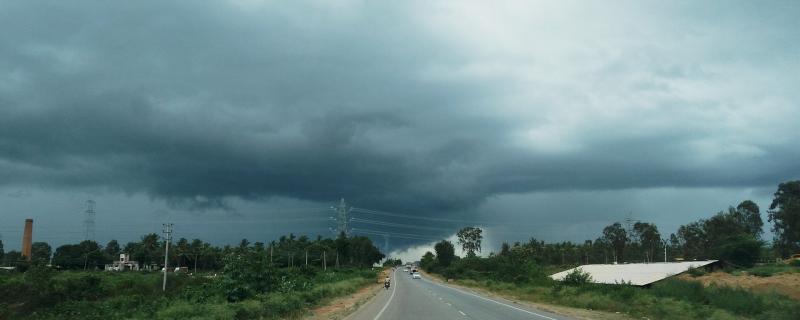
Researchers from the Indian Institute of Science, Bangalore; Indian Institute of Tropical Meteorology, Pune; and Florida State University, USA; have mathematically computed a multidecadal variability in the Indian summer monsoon rainfall and the global sea surface temperature. They have established that Indian monsoon rainfall exhibits a 67-year oscillation and is closely linked to the sea surface temperature cycle, which also shows a similar 67-year swing. The study also shows that 80% of all droughts have occurred in the rainfall cycle’s ‘negative phase’, associated with a below-average rainfall; whereas 60% of all floods have occurred in the positive phase, marked with above-average precipitation. Their findings have been published in the Quarterly Journal of the Royal Meteorological Society.
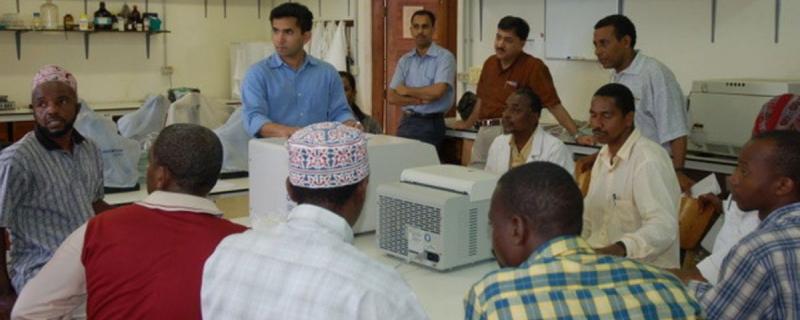
An international study, led by researchers from the USA, which also included researchers from India, have designed a point-of-care testing approach for individuals suffering from TB. The study, published in the journal Science Translational Medicine and supported in part by the Bill and Melinda Gates Foundation, proposes a rapid, cost-effective, and readily accessible triage test kit that can be used at the site of patient care.

Researchers from the Indian Institute of Science (IISc), Bengaluru study how a protein called lysozyme, an integral component of our immune system, causes persistent nerve pain during nerve injury.

The impacts of climate change on coastal areas are severe than inland as they are vulnerable to flooding and extreme weather phenomena like cyclones, tornadoes etc. As the climate crisis deepens, a quarter of India's population, who live along the coasts, have another issue to worry about – availability of freshwater. Due to unchecked pumping of groundwater for daily use and rainfall variation, freshwater sources are being depleted. Besides, saltwater from the sea is unwittingly finding its way into local aquifers through a process called seawater intrusion. Although many independent studies, conducted at different locations, have observed depletion in freshwater sources along India's coasts, there is no comprehensive study yet. Now, researchers at Anna University, Chennai, have tried to address the extent of seawater intrusion in the Indian coastal regions in a study published in journal Environmental Science and Pollution Research. The study was funded by the National Centre for Earth Sciences Studies, Earth System Science Organisation, and the Ministry of Earth Sciences.

In a recent study, researchers from Pune's Agharkar Research Institute and Savitribai Phule University, and China's Zhejiang University have turned their attention towards Xyrids to gain a holistic understanding of the evolution of pipeworts.

In a recent study, Dr Sachdev and an international team of researchers have shown that India’s mortality rate due to severe acute malnutrition is a fraction of the WHO estimates. This study is published in the journal PLOS Medicine.