Authored by
Research Matters
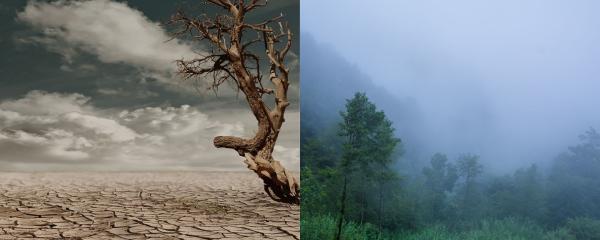
IIT Palakkad study shows how different indices used to predict drought combined with effects fof climate change can lead to different climate predictions for the future
IIT Palakkad study shows how different indices used to predict drought combined with effects fof climate change can lead to different climate predictions for the future
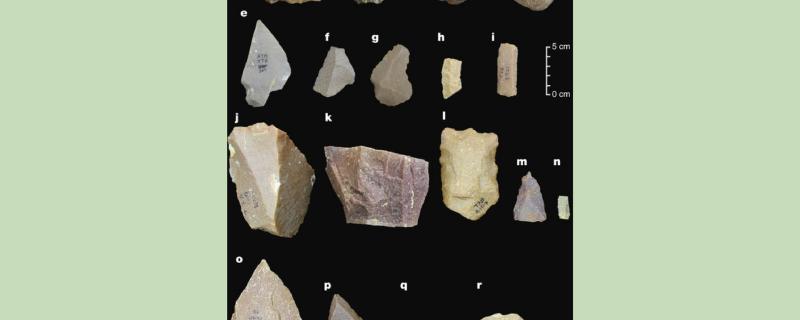
Researchers from the Sharma Centre for Heritage Education, India, find stone tools in the sediments of Attirampakkam, a small town near Chennai which are dated to be 3,85,000-year-old. This finding gives us a new understanding for how and when human migration out of Africa might have taken place.

Researchers from the Indian Institute of Technology, Delhi, turn to a tiny species of venomous spider called Lachesana tarabaevi in the search for compounds with anti-microbial properties. They show that peptides derived from the spider’s venom is effective against Staphylococcus aureus.
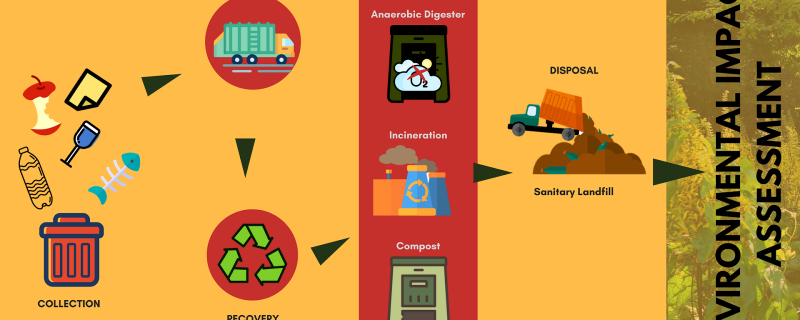
Researchers from the Indian Institute of Technology, Bombay, look into the various ways in which our solid waste management woes can be solved. In their efforts integrated waste management appears as a solution that can help reduce the pollution caused due to open dumping.

Scientists from National Center for Biological Sciences, Wildlife Conservation Trust, FERAL and University of Montana, examine genetic diversity of tigers in India to identify the importance of connected forest corridors to future populations and minimize their risk of extinction in the coming century.

Researchers from the Indian Institute of Tropical Meterology, Pune, study how carbonaceous aerosols affect the different layers of our atmosphere. They find that these aerosols can have far reaching effects like instabilities in the mid to upper troposphere, bringing about a change in the rainfall patterns and causing abnormal heating of the atmosphere through radiation
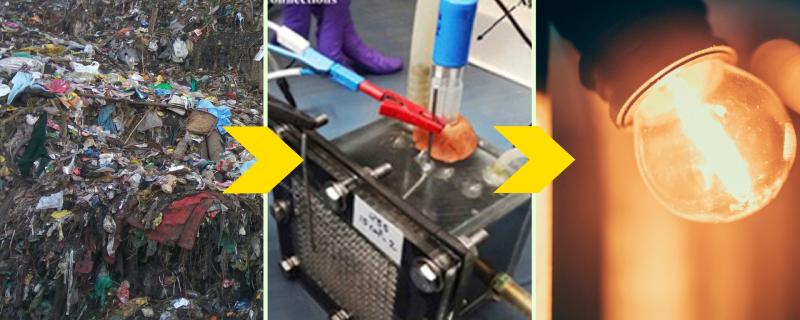
While the country struggles with various problems related to waste management, scientists from the Indian Institute of Technology, Bombay, have come up with a novel solution to turn waste to wealth. The researchers develop a method to generate energy from landfill leachate and microbial fuel cells.

Science in India is in interesting times. We have some of the best scientists producing world-class research working in a host of institutions within India that are largely public funded. A large scientific workforce complimented by a promising younger generation – that is often dubbed to be our demographic dividend. A learned and competent scientific administration fighting tooth and nail for increased budgetary allocations to invest in science.
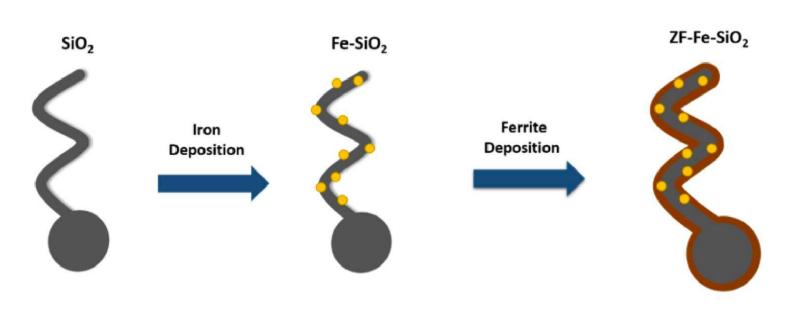
In an interdisciplinary study, scientists from the Indian Institute of Science, Bangalore, display how the use of nanotechnologies can be useful in treatment of cancer.
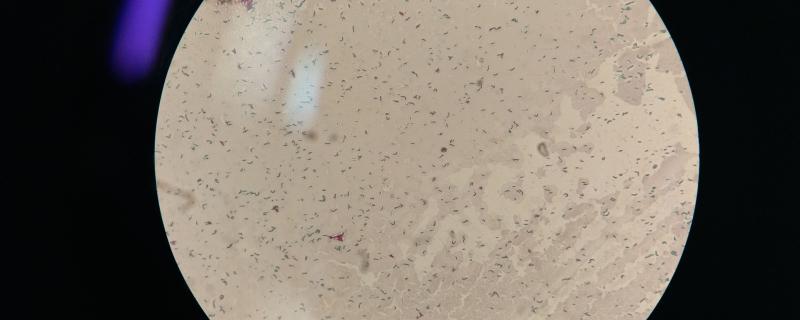
Scientists from the Central University of Gujarat (CUG), Gandhinagar, use computers to design the most efficient drug against TB. They apply pharmacophore modelling approach to understand the interactions between proteins found in Mycobacterium tuberculosis (Mtb) and the compounds which can suppress the bacteria.
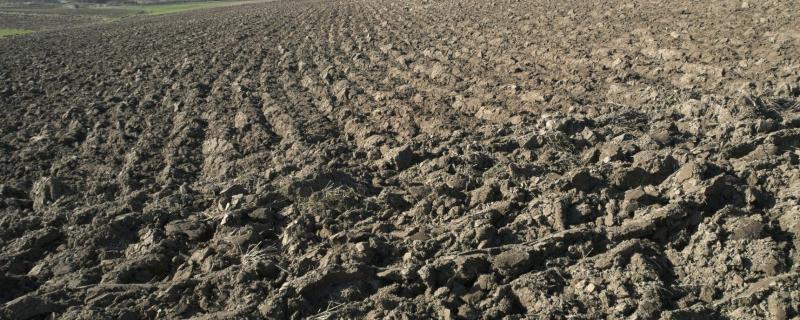
Scientists from Birla Institute of Technology, Pilani, uncover the mechanism behind how plants tolerate and grow in soils with high salt content. The study also explore the role of the bacteria Enterobacter cloacae, which is a known plant growth promoting rhizobacteria.