Authored by
Research Matters

IIT Palakkad study shows how different indices used to predict drought combined with effects fof climate change can lead to different climate predictions for the future
IIT Palakkad study shows how different indices used to predict drought combined with effects fof climate change can lead to different climate predictions for the future
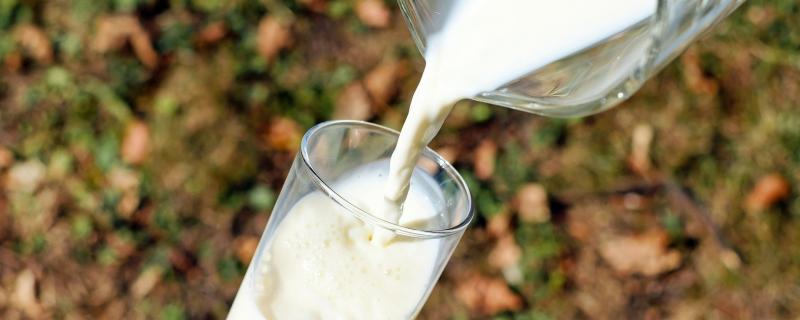
The milk you consume might contain antibiotic resistant strains of bacteria, point out scientists from Department of Veterinary Epidemiology and Preventive Medicine, College of Veterinary and Animal Sciences, Kerala, in their recent study. A drug resistant strain of Stphylococcus aureus had been isolated from udders of cows with virulence factor Panton-Valentine Leukocidin (PVL).
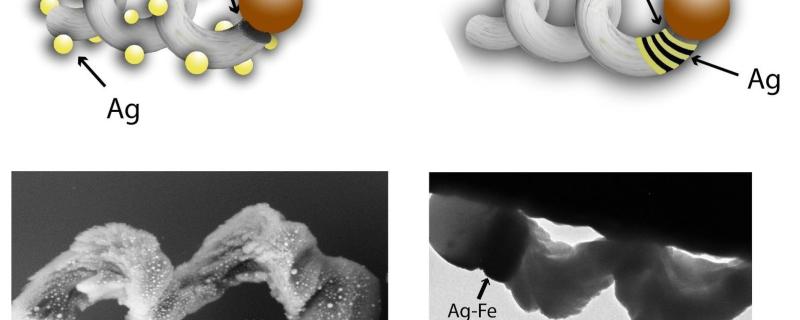
Manipulation of particles whose sizes are a billionth of a metre poses a huge challenge and is a vast area of research. Manipulation of objects on this scale has important application from medicines to quantum technologies. Scientists from the Indian Institute of Science, Bangalore have devised a new approach to trap and maneuver nanoscale objects.
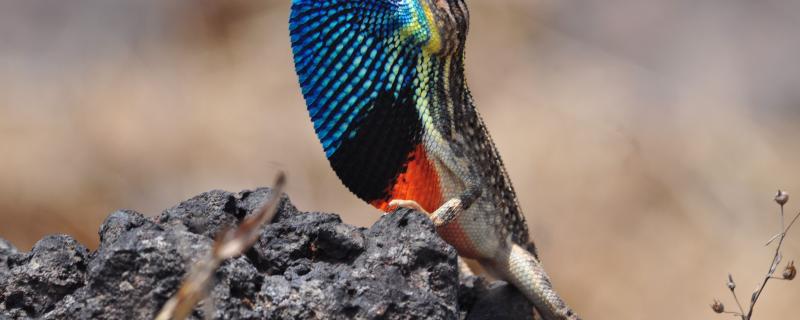
Scientists from the Indian Institute of Science, Bangalore, in a rare study combining biology and paleontology show how different climatic factors over evolutionary time have affected the evolution of fan throated lizards.

With an increase in the occurance of cancer predicted in the coming years, scientists from the Indian Institute of Science, Bangalore, make astounding discoveries on the molecular mechanism behind the spread of cancer, which can help better understand and treat the disease.

Scientists from Indian Institute of Technology, Bombay, find a way to convert undesirable heat energy from electronic devices to electricity and reconverting this into electricity using the concept of thermoelectric effect - a physical phenomenon where a difference in the temperature between two contacts leads to a difference in the voltage, and hence flow of electricity.
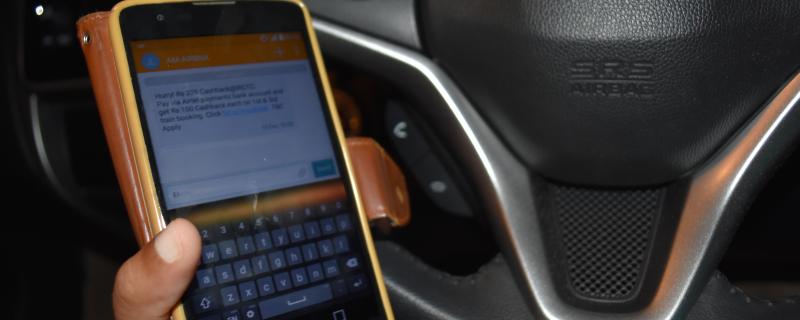
Scientists from the Indian Institute of Technology, Bombay, warn us that the problem of texting while driving is a much more worrisome one than previously anticipated. In their recent study they have look at how reaction times of drivers are affected by texting while driving. The study shows that texting can cause upto a 171% more delay in reaction time.