Authored by
Research Matters
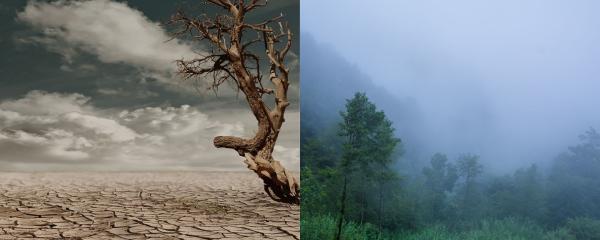
IIT Palakkad study shows how different indices used to predict drought combined with effects fof climate change can lead to different climate predictions for the future
IIT Palakkad study shows how different indices used to predict drought combined with effects fof climate change can lead to different climate predictions for the future
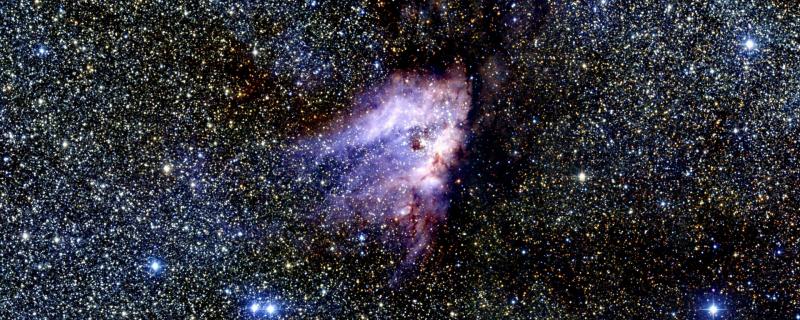
LMC X-4 is a two-star system consisting of a pulsar and a companion star. In a recent study, scientists from the Raman Research Institute, Bangalore, examined characteristics of the X-ray signals emitted from LMC X-4, using signal processing techniques and analysis.
Some details of the reproductive journey of a fig wasp, to find a suitable tree and lay eggs while simultaneously pollinate it in the process are known. In a recent study, scientists from the Indian Institute of Science, Bangalore, fill in the gaps in our knowledge about this fascinating journey.
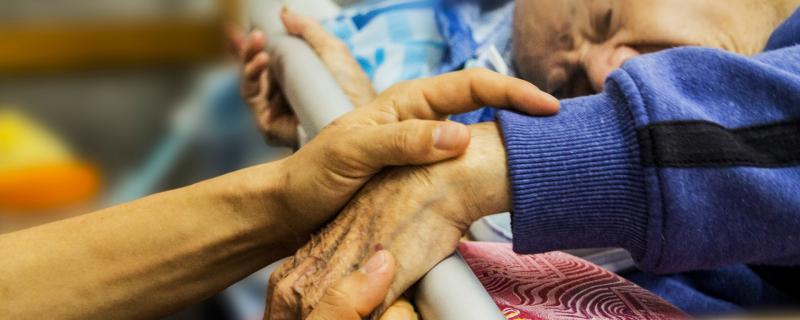
Alzheimer's affects a large section of our aged population. Scientists from the Indian Institute of Science, Bangalore, shed some light on how the disease can be identified in its early stages.

For the first time ever, scientists from the Tata Institute of Fundamental Research (TIFR), Mumbai, Indian Institute of Science, Bengaluru, and Indian Institute of Science, Education and Research, Pune uncover the process of transport of fats in the body.

Researchers from Anna University, Chennai use a microwave-based remote sensing technique to assess changes in Kolkata’s land subsidence for the years 2003, 2007 and 2011. Their resuls indicate that the city might in fact be slowly sinking.
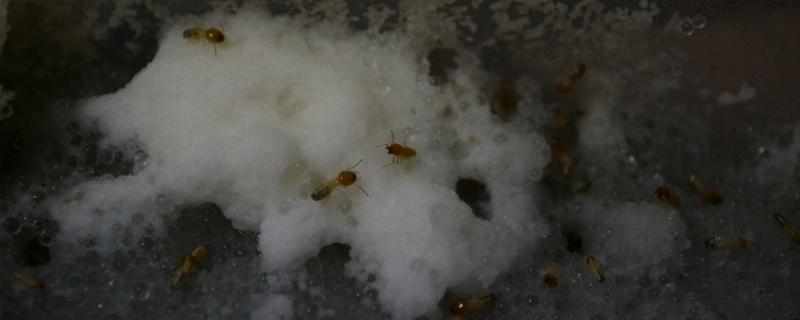
Termites are known to be efficient farmers who farm a kind of fungus in their colonies to digest the wood that they feed. Scientists from the Indian institute of Science, Bangalore and École Nationale Supérieure de Chimie de Montpellier, Montpellier, France, explore whether the termites prefer a certain species of fungus and if they can identify weed fungi and remove them.
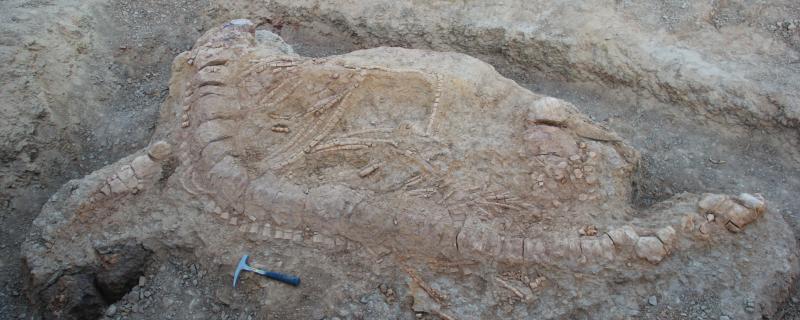
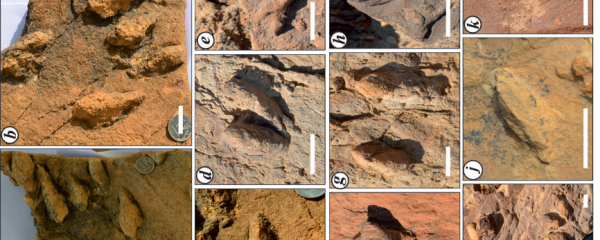
For the first time ever scientists discover the skeleton of the ancient marine reptile, Ichthyosaur, in the Kachchh basin of Gujarat.
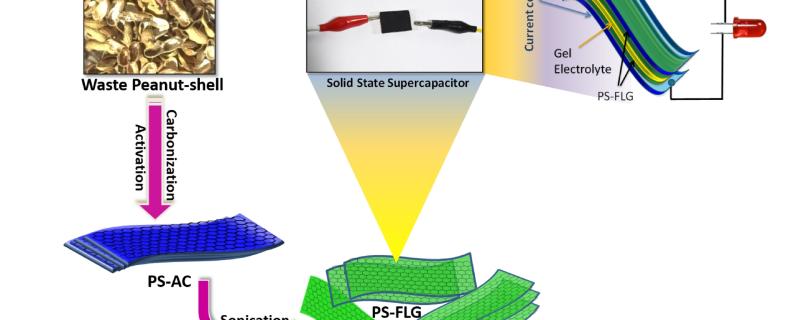
Graphene is called the ‘wonder material’ due to its electrical and mechanical properties and is now evolving as an alternative to conventional energy storage devices like batteries and supercapacitors. Researchers from Institute of Nano Science and Technology (INST), Mohali, use peanut shells to manufacture high-quality graphene nanosheets.
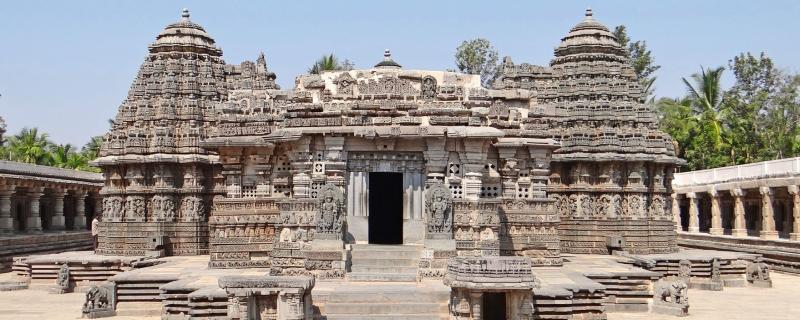
Humans have always been fascinated by symmetry. Many celebrated works of art are appreciated for their symmetry, such as the Vitruvian Man by Leonardo Da Vinci, or Somnathpur temple above. Given the importance of symmetry in our lives, does the brain have a special way of processing symmetric objects?
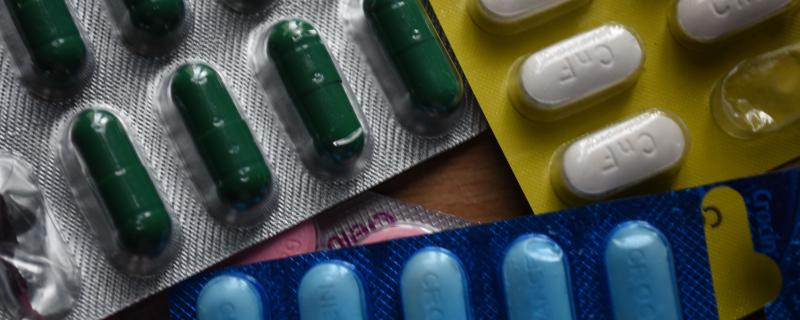
Researchers from the Institute of Public Health (IPH), Bangalore, with the support of the Alliance for Health Policy and Systems Research of the World Health Organization, have assessed the quality of generic medicine and their branded equivalents in South India. Their results show that the quality of generic medicines from multiple sources was similar to that of the branded medicines.