Authored by
Research Matters
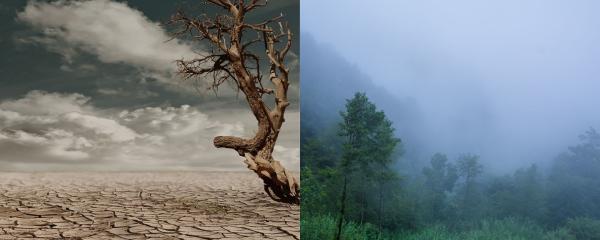
IIT Palakkad study shows how different indices used to predict drought combined with effects fof climate change can lead to different climate predictions for the future
IIT Palakkad study shows how different indices used to predict drought combined with effects fof climate change can lead to different climate predictions for the future
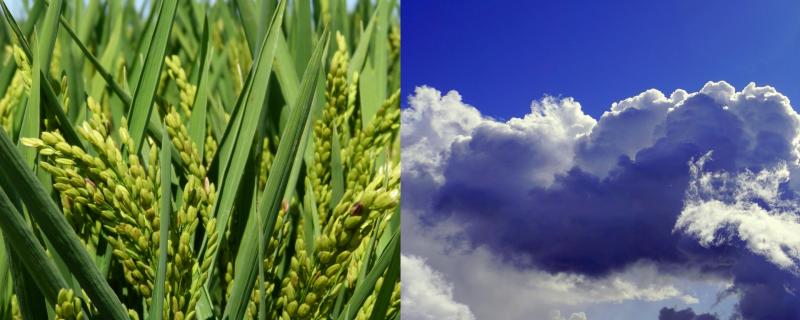
Scientists from the Indian Institute of Sceince, Bangalore show us how the humble grain of rice can be a historian and meterologist!

Scientists from the Indian Institute of Technology, Kanpur, devise a new method to make chemotherapy safer and easier with the help of liposomes.
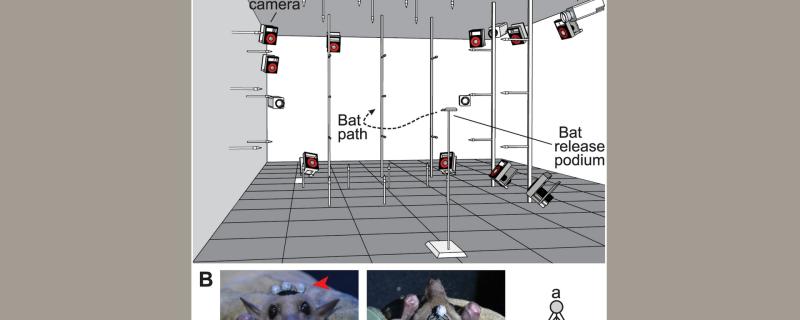
Bats use high frequency sounds waves to echolocate their food. While most bats move their heads, nose, ears or mouth to change the direction of the sound waves they produce, Egyptian fruit bats do so without any visible movements in their head or body. Scientists from IISER Pune and University of Washington, USA, Johns Hopkins University, USA explore how they pull off this feat.
What is dark matter? Where and how does it exist? These are some of the questions scientists from the Raman Research Institute and Indian Institute of Science, Bangalore, have attempted to answer in their recent paper.
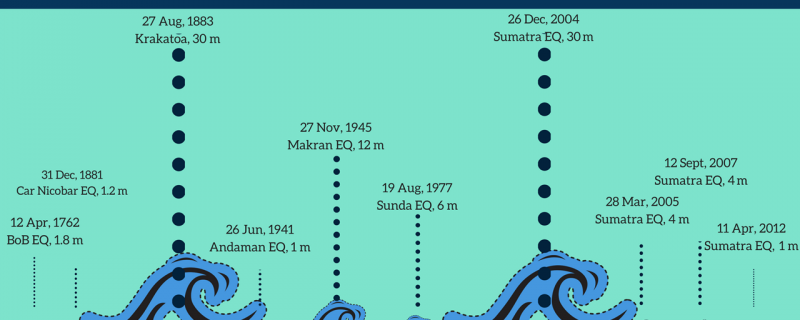
After the devastating Tsunami in 2004, various measures have been taken by the Government of India to be more prepared in the future. Indian Tsunami Early Warning System (ITEWS) is one such effort undertaken by Indian National Centre for Ocean Information Services (INCOIS).
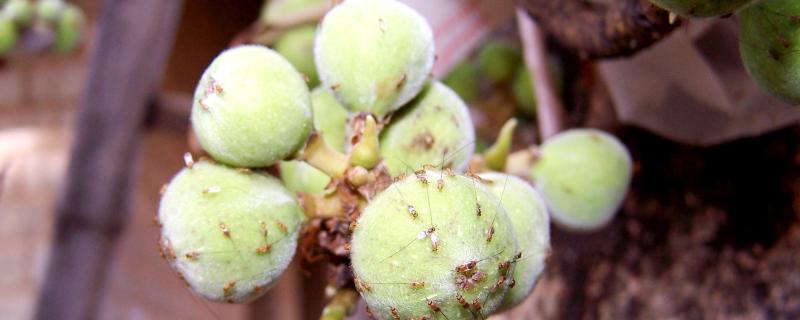
Latest research from the Indian Institute of Science, Bangalore, demonstrates how chemical interactions take place between wasps and fig trees and the tussle between pollinating and non pollinating wasps.
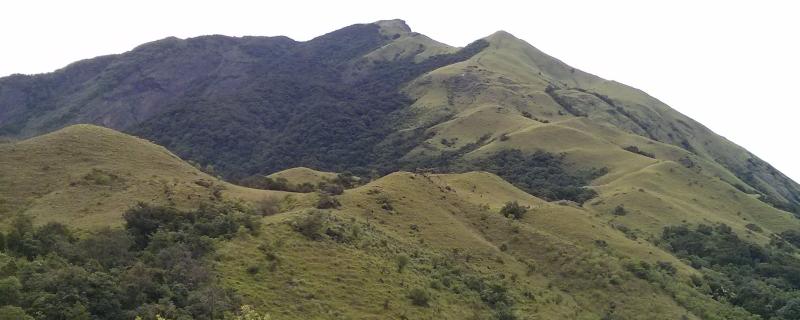
Shola grasslands are a unique habitats of the Western ghats that are under threat from many factors. In a recent collaborative study, scientists explore what are the major threats to this habitat.
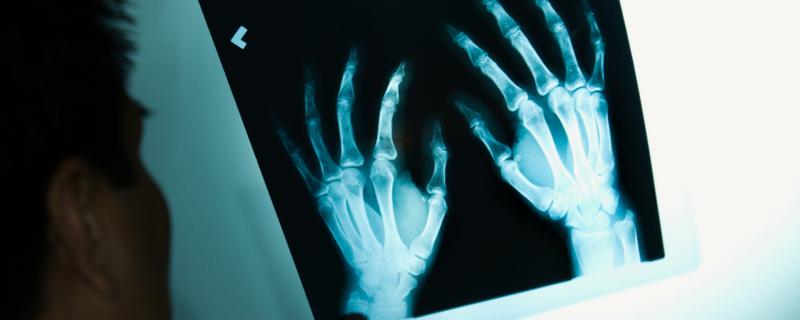
Mending broken bones is a long and tedious process. Study from the Indian Institute of Technology, Hyderabad aims to study the structure and composition of human bones to help in repairing them.
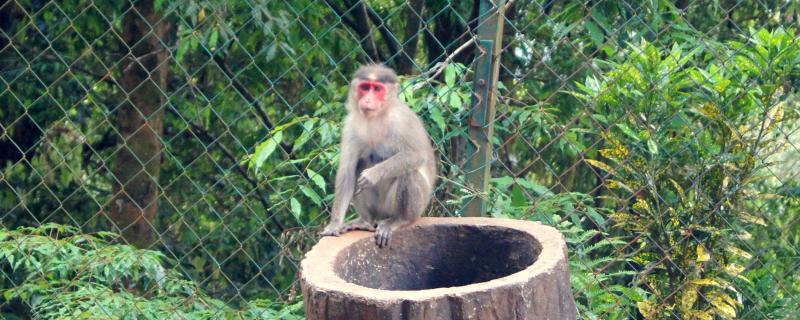
How many times have you fed moneys by the roadside? Are you changing the behaviour of the monkey or is it manipulating your behaviour for food? New study from Researchers at the Ashoka Trust for Research in Ecology and the Environment along with researchers from the National Institute of Advanced Sciences gives reasons to not feed the monkeys.

Scientists from the Indian Institute of Science, Bangalore, study how speech recognition software can be improved by modelling it to be more like the brain, such that it works well even in the presence of background noise.