Authored by
Research Matters
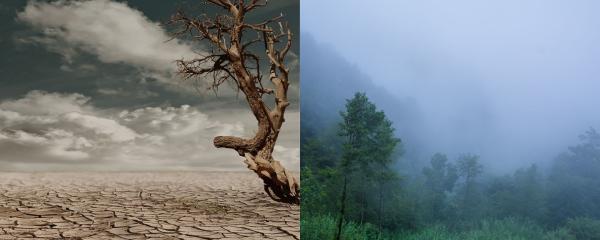
IIT Palakkad study shows how different indices used to predict drought combined with effects fof climate change can lead to different climate predictions for the future
IIT Palakkad study shows how different indices used to predict drought combined with effects fof climate change can lead to different climate predictions for the future
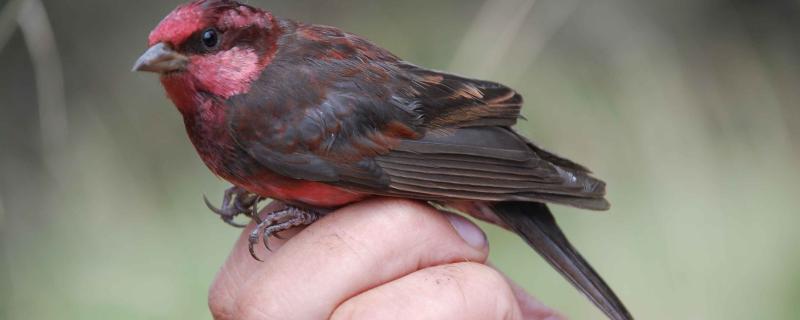
Higher altitudes have lower levels of oxygen, and hence animals living at such altitudes have to adapt. Having higher content of haemoglobin is one adaptation strategy used. In a recent study, scientists from the Indian Institute of Science, Bangalore, explore how blood parasite affect these high altitude birds.
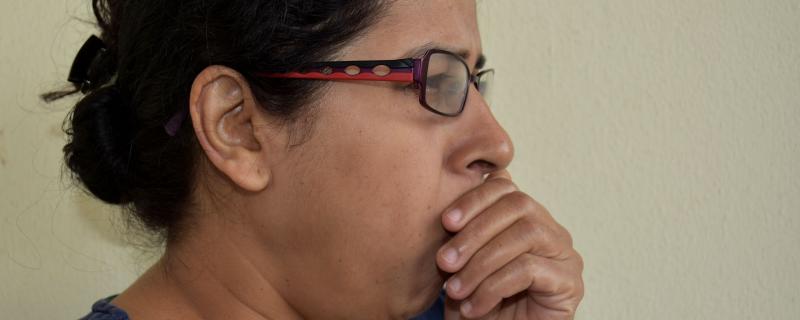
Scientists from the Indian Institute of Science, Bangalore, study what effect tuberculosis has on the immune system of our body.
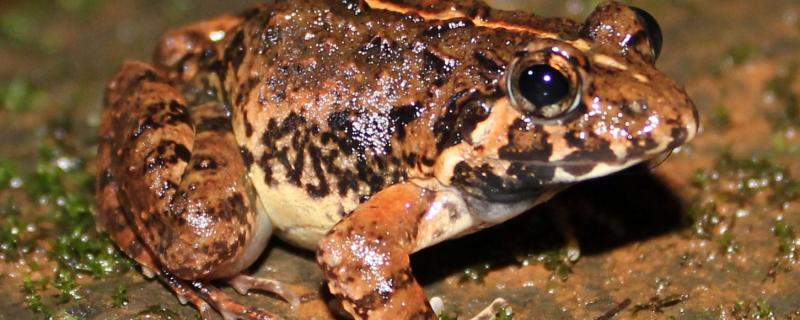
A new species of terrestrial ‘cricket frog’ from the highland plateaus of the Western Ghats adds to the biodiversity in this region

Scientists from the Indian Institute of Science, Bangalore, use magnetic fields to navigate nanomotors in cells.

Study by researchers from Institute of Public Health, Bangalore investigate how successful Primary healthcare Centres are for treating non-communicable diseases like diabetes and hypertension. They find many loopholes in the healthcare delivery system.
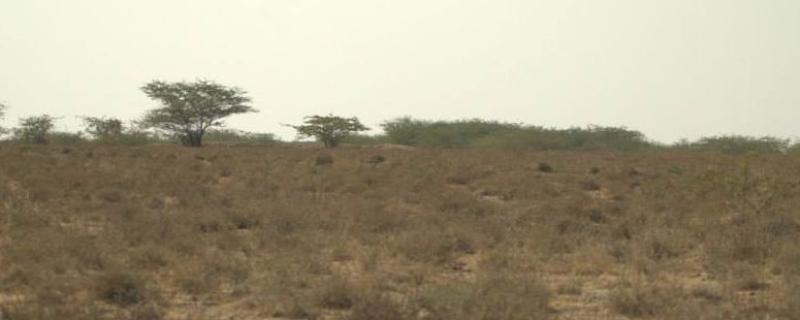
Are grasslands and deserts wastelands? How are these ecosystems affected by change in land use due to humans? In a recent study, researchers study these complex ecosystems to understand crucial transition points for the system, after which it cannot revert back to its original state.

Researchers from the Indian Institute of Technology Indore, India; University of North Texas, USA and the National Institute of Technology Goa, highlight how changes made to patent policy in 2005 have boosted research and development in the country.

Accurate prediction of the monsoon is important for all sections of the society. A study from Indian Institute of Tropical Meteorology shows how we can now predict the accurate arrival of monsoon rains almost three months in advance.

Dogs have been introduced in various places across the world, where they were not found before by humans. In a recent study, researchers from the Ashoka Trust for Research in Ecology and the Environment study how dogs affect the local biodiversity.
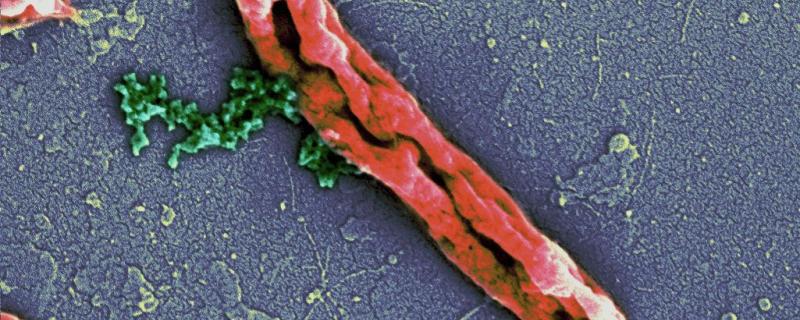
Researchers from the Indian Institute of Science, Bangalore use a computational approach to design peptides which are highly effective in killing drug resistant microbes.