Authored by
Research Matters

IIT Palakkad study shows how different indices used to predict drought combined with effects fof climate change can lead to different climate predictions for the future
IIT Palakkad study shows how different indices used to predict drought combined with effects fof climate change can lead to different climate predictions for the future

In a recent study, researchers at Bengaluru’s St. John’s Research Institute, the Indian Institute of Science (IISc), and St. John’s Medical College and Hospital, have described how the presence of a particular mineral in the urine can tell a tale about the health of our bones. The findings are published in the journal Scientific Reports, and the study was funded by the Wellcome Trust/DBT India Alliance and the Department of Science and Technology.
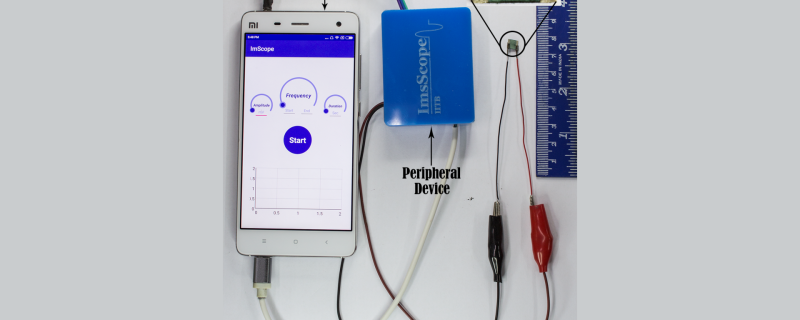
Researchers at the Indian Institute of Technology Bombay (IIT Bombay) have developed a new life-saving device that can detect heart attacks early on using a smartphone. The innovative sensor, conceptualised by students Debasmita Mondal and Sourabh Agrawal, and guided by Prof. Soumyo Mukherji, won the recently presented 2018 Gandhian Young Technological Innovation award recently.
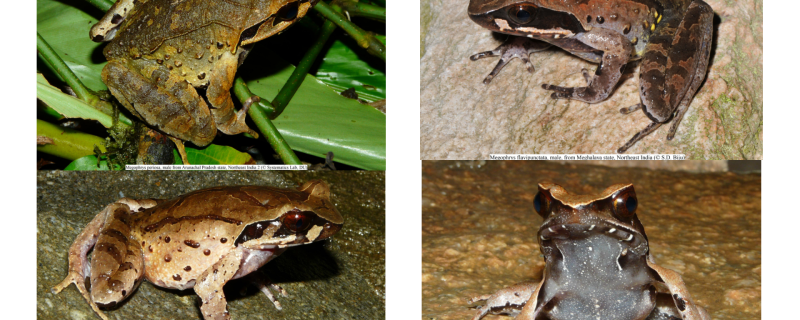
A team of Irish and Indian biologists from the University College Dublin (UCD), Ireland, the Natural History Museum (NHM), UK, and the University of Delhi (DU), India, have provided detailed descriptions of these newly discovered frogs.

With nine of the ten most polluted cities in the world located in India, the country is grappling with increasing pollution that is affecting the health and wealth of its people. In Delhi, the national capital, the news of increased particulate matter in the air hits the headlines very often. Although anti-pollution masks and air purifiers have gained popularity, they are often expensive and inaccessible to the common man.

Study from the Indian Institute of Technology, Bombay and TIFR demonstrates a method to turn heat into usable spin current
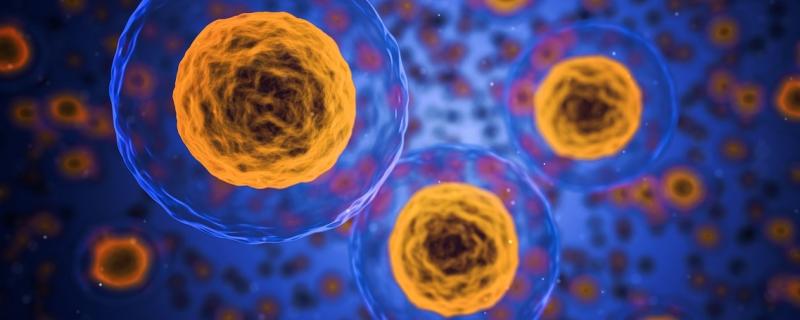
Researchers from NCBI, RRI, University of Barcelona, CSIR - Indian Institute of Integrative Medicine, CNCI, and University of Queensland tried to understand how cells maintain their shapes in spite of expelling material from their membrane.
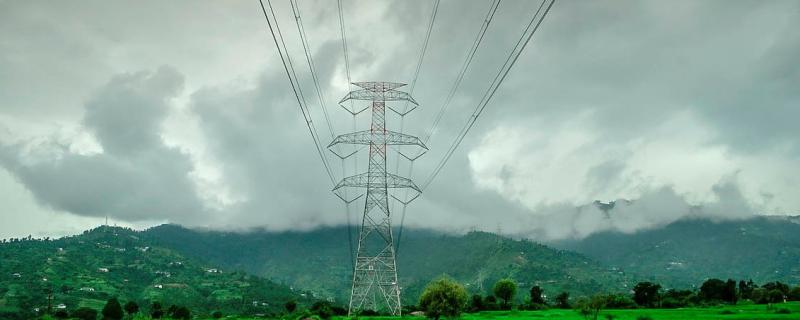
IIT Bombay professor surveys strategies for applying game theory to distribution of electricity
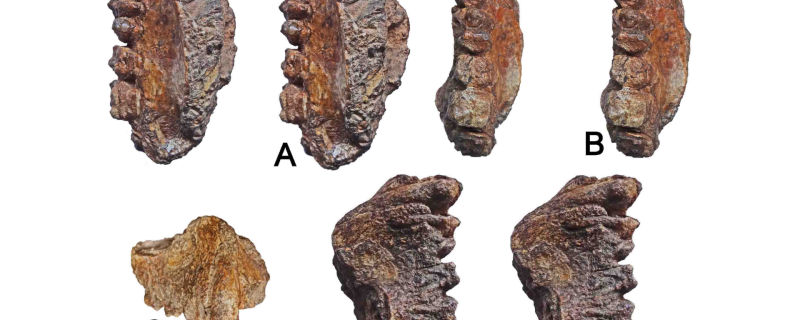
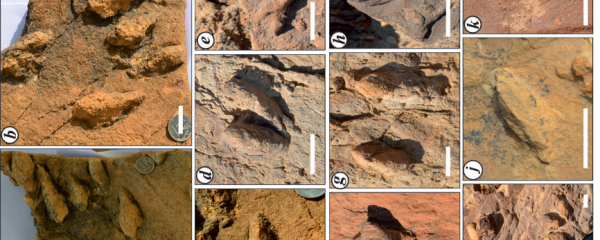
Palaeontologists from India have discovered fossil evidence of a hominid species at Tapar in the Kutch basin of Gujarat.

If you have noticed a young child draw clouds, you might observe that irrespective of the size of these clouds, they have the same distinctive shape. Surprisingly, there is a scientific basis for this observation and is said to be because of the ‘fractal’ or self-similar nature of clouds.
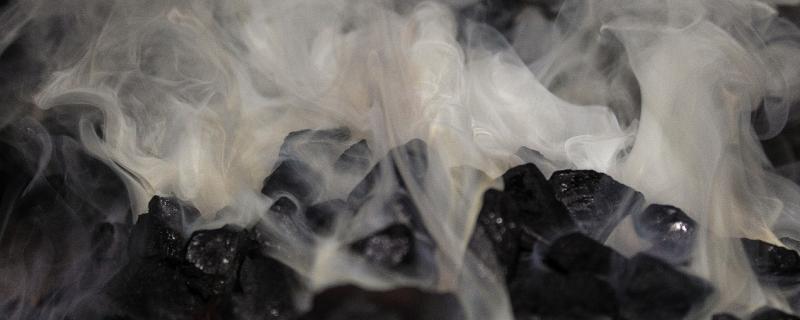
In a recent study, researchers from Christ (Deemed to be University), Bengaluru, have developed a technique to make fluorescent carbon nanoparticles using lignite, a type of coal that is available ubiquitously. These nanoparticles have the potential to be developed as glucose sensors to detect hypoglycemia or decreased glucose levels.The results of the study have been published in the journal Scientific Reports.