Authored by
Research Matters

IIT Palakkad study shows how different indices used to predict drought combined with effects fof climate change can lead to different climate predictions for the future
IIT Palakkad study shows how different indices used to predict drought combined with effects fof climate change can lead to different climate predictions for the future
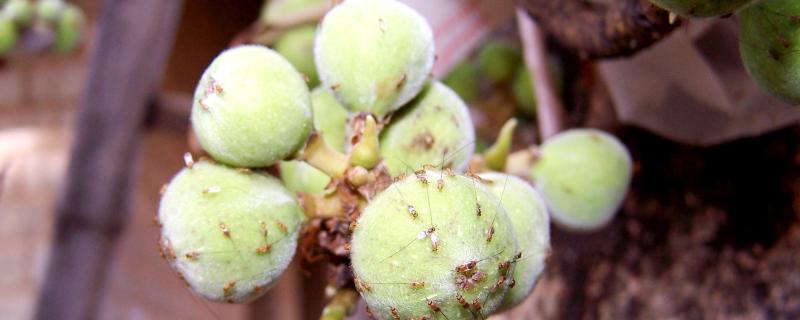
Latest research from the Indian Institute of Science, Bangalore, demonstrates how chemical interactions take place between wasps and fig trees and the tussle between pollinating and non pollinating wasps.
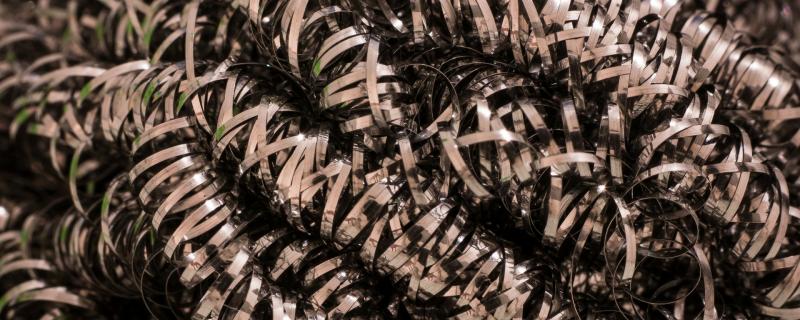
Microbial Fuel Cells (MFCs) are bio-electrochemical devices that use the power of respiring microbes to convert organic matter into electrical energy. Thus, they can help treat wastewater and also generate electricity. Realising the vast potential these cells have, scientists are finding ways to improve their performance and efficiency.

Shola grasslands are a unique habitats of the Western ghats that are under threat from many factors. In a recent collaborative study, scientists explore what are the major threats to this habitat.
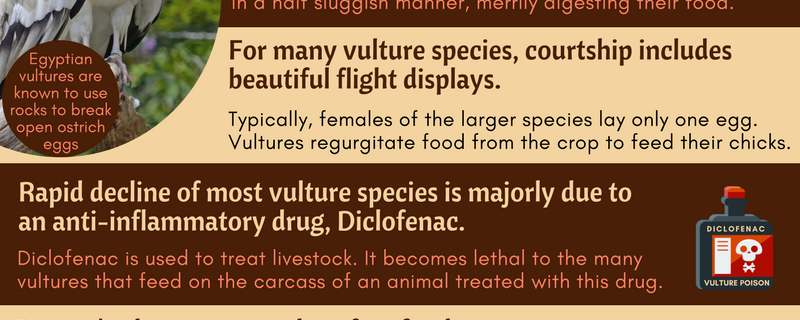
Doing our dirty jobs of clearing animal carcass for generations, extraordinary scavenging birds of prey, the vultures, deserve our gratitude and attention. Associated with goddesses in Egyptian mythology and revered hero in Indian mythology as Jatayu who sacrificed himself to save Sita, and once commonly seen; today, most species of vultures face extinction worldwide. Four out of nine species of vulture in India are critically endangered; it is now crucial to understand this often overlooked ecologically important bird.

In a new study, researchers have developed a low-cost and eco-friendly method to extract gold from electronic waste using the leaves of the plant Lagerstroemia speciosa, commonly called the Pride of India. They have applied the principle of biosorption—the ability of biological materials in an aqueous solution to bind with heavy metals—to extract gold from wastewater.

Power cuts in many parts of the country are so commonplace that we have learnt to accept and adapt to the erratic supply, no matter how frustrating. With summer rearing its fiery head, the threat of sitting in sweltering heat without fans or air-conditioners is a nightmare. A recent UN report found that 10% of people from developing countries have no access to electricity!

In a new study, researchers from the Indian Institute of Science, have found that ten confined water molecules play a significant role in keeping the insulin molecules together. In their findings published in the Journal of Physical Chemistry, the researchers have used computer models to study how water molecules help in stabilising the structure of insulin for storage in our body.
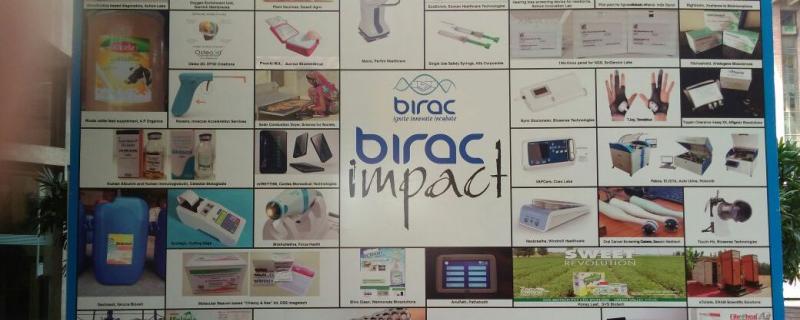
The Biotechnology Industry Research Assistance Council (BIRAC) celebrated its 6th Foundation Day on Tuesday, March 20th, at the India Habitat centre in New Delhi. This year, the theme for the Foundation Day celebration was ‘Sustaining Innovation: A market driven pathway’. The event saw a participation from large number of dignitaries from the industry and academia, public and private sector, policy makers and national and international organizations.