Authored by
Research Matters
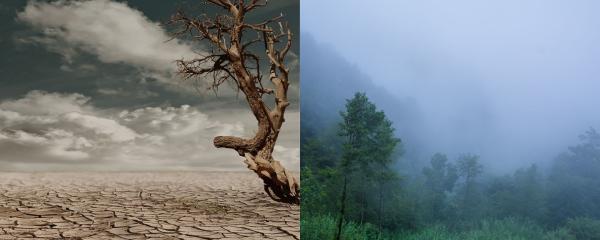
IIT Palakkad study shows how different indices used to predict drought combined with effects fof climate change can lead to different climate predictions for the future
IIT Palakkad study shows how different indices used to predict drought combined with effects fof climate change can lead to different climate predictions for the future
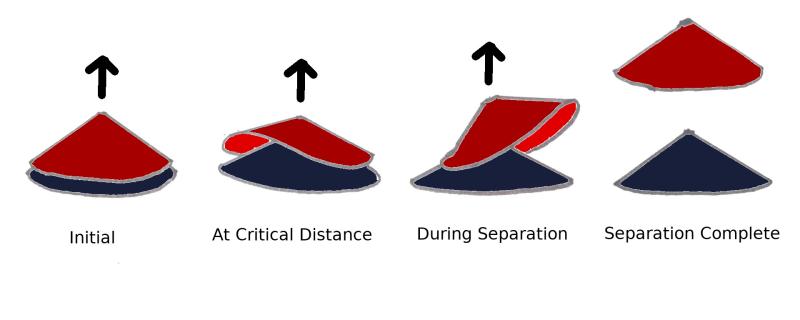
After graphene, carbon nanocones are now an exciting form of carbon for material scientists. As the name suggests, they are conical structures made up of carbon, where graphene sheets are folded like a party cap with a height and diameter of a few nanometers (1 nanometer = 1/1,000,000,000th of a metre). With unique properties due to their conical shape, they have a wide range of applications, including being used as a tip of the probe of a high precision microscope used to record activity at an atomic level.
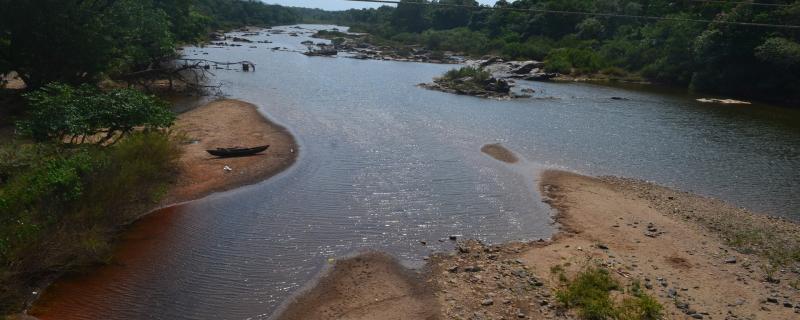
Researchers from National Institute of Oceanography, Goa have studied seasonal distribution of single celled organisms with shells known as forams or foraminifera, in the mudbanks of Allepy, Kerala. The study was conducted to understand the response of forams to physical and chemical changes in the environment associated with the mudbank formation.
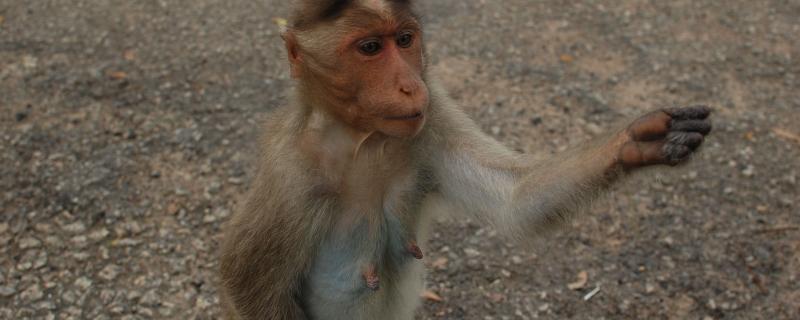
Researchers from the National Institute of Advanced Studies, Bangalore, discover a novel behaviour among bonnet macaques and consider the implication this may have one their cognition and evolution of species.
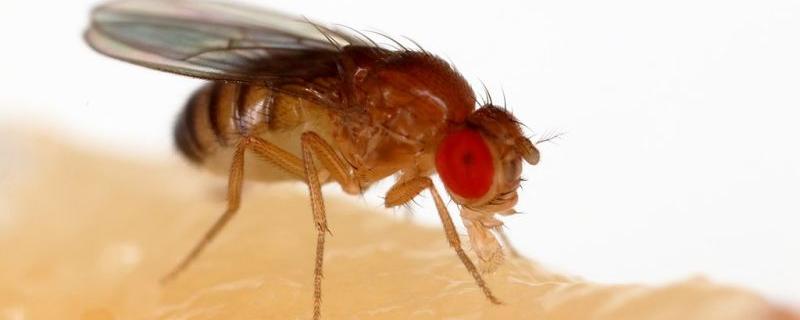
In a recent study, scientists from the Indian Institutes of Science Education and Research (IISER), Pune, have identified factors that affect the dispersal patterns of fruit flies (Drosophila melanogaster).
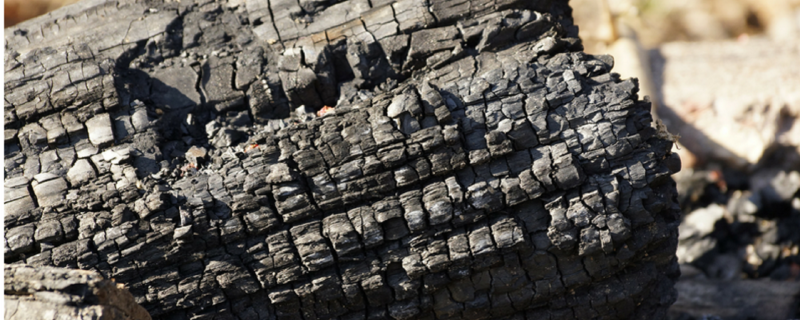
Scientists from Indian Institute of Soil Science, Bhopal, and Indian Institute of Agricultural Research, New Delhi, both part of the Indian Council of Agricultural Research (ICAR), have been studying the effects of climate factors and use of insecticides on the ability of soil to consume methane. Their study reveals one of the harmful effects of the insecticide- Chlorpyrifos, and a way to tackle the issue.
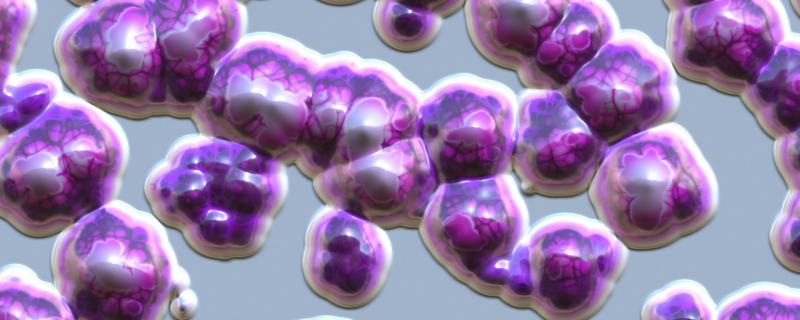
Researchers from the Indian Institute of Science Education and Research (IISER), Bhopal, reveal an intricate molecular relationship scripted by cancerous cells to alter the healthy metabolism of healthy cells.
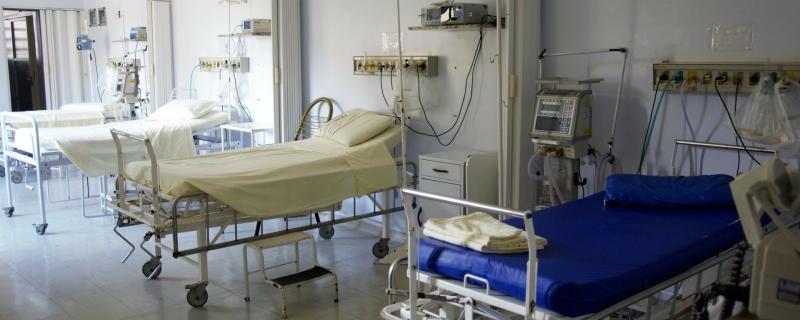
The superbug series: Part 3. The final of a three part series talks about antibiotic resistance showed by disease causing bacteria, its reasons, the problems associated with antibiotic resistance and the severity of the issue in India.
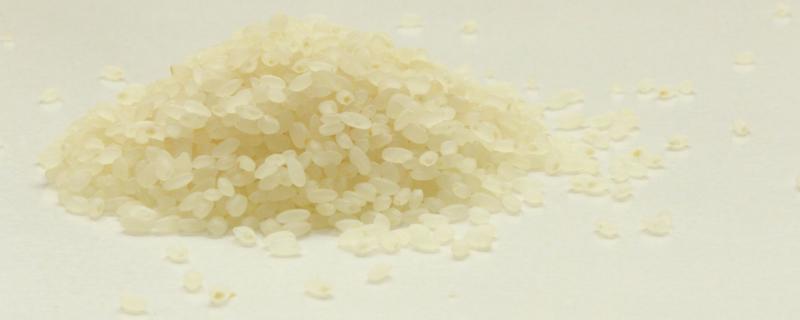
Researchers from the Indian Institute of Technology, Delhi, offer critical insights into the intrinsic nature of certain types of rice that can resist drought.

A team of researchers from Indian Institute of Technology Bombay, Mumbai, UNESCO-IHE Institute for Water Education, Netherlands, and the Department of Harbour, Coastal and Offshore engineering, Netherlands have come up with a cost effective and efficient method to measure the depth of shallow water. Combining satellite imagery and echo-sounding data, along with a machine learning technique, the team has produced an economical solution to the depth measurement challenge.

Scientists from the Indian Institute of Astrophysics (IIA), Bangalore, University of Notre Dame, USA and Universidad de La Laguna, Spain attempt to trace out how elements form by analysing the spectra of ancient stars.