Authored by
Research Matters
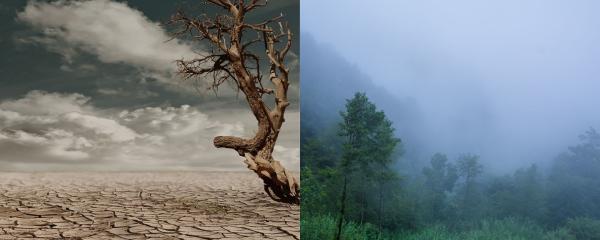
IIT Palakkad study shows how different indices used to predict drought combined with effects fof climate change can lead to different climate predictions for the future
IIT Palakkad study shows how different indices used to predict drought combined with effects fof climate change can lead to different climate predictions for the future
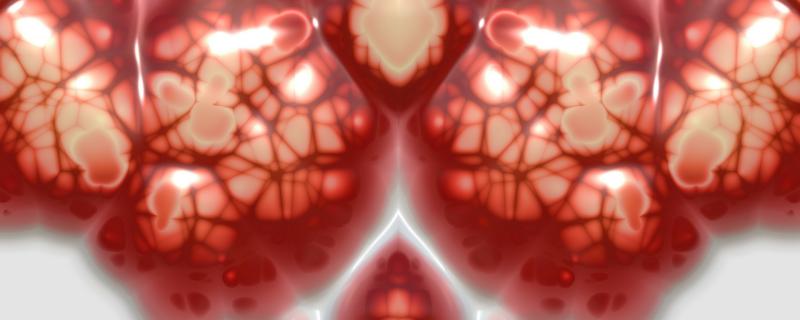
An interdisciplinary study by scientists from the Indian Institute of Technology Bombay and the Francis Crick Institute, London, United Kingdom, has attempted to understand and model the role of asymmetry in the process of cell division in eukaryotic cells—cells with a nucleus enclosed within a membrane—using the roundworm (Caenorhabditis elegans) embryo. The findings of the study is published in Biophysical Journal.
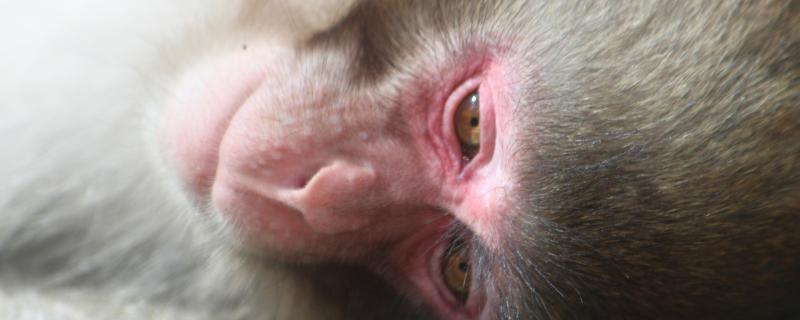
In a new study, scientists from the Indian Institute of Science, Bengaluru, University of Michigan, Ann Arbor, USA, and Purdue University, USA, have studied the process of the formation of the egg in female bonnet monkeys using ultrasound. They have also analysed the dynamics involved in the ovaries when an egg is released by injecting the female monkeys with human ovarian hormones.

Growing up in the USA, ten-year-old Steven was asked in school to read aloud a passage from a newspaper. The article described the opening of the first Disneyland. However, all the poor boy could see on the paper was this—“In a grand ceremony Disneyland opened in California to delirious applause.” Steven Spielberg did not know it at the time—and indeed until he was formally diagnosed several years later—that he was dyslexic.

A recent study by researchers at the Indian Institute of Science, Education and Research (IISER) Kolkata, has resulted in the development of a novel molecular ‘switch’ that turns on in the presence of specific proteins.
Haven’t we all heard about DNA, the genetic material that makes who we are? Short for Deoxyribonucleic acid, the DNA is made of two chains that coil around each other forming the double helix structure as we know it today. Although Friedrich Miescher first isolated the DNA molecule in 1869, it was not until 1953 that we understood its structure. Two scientists, James Watson and Francis Crick, are well-known for showing us the double-helix structure of the DNA.

Researchers from the Indian Institute of Technology, Madras, have proposed methodologies that can improve the design of automated systems to detect muscle fatigue. In a recent study, published in the journal Computer Methods and Programs in Biomedicine, the researchers have used surface electromyography (sEMG), a technique which can record electrical signals over the surface of the skin.
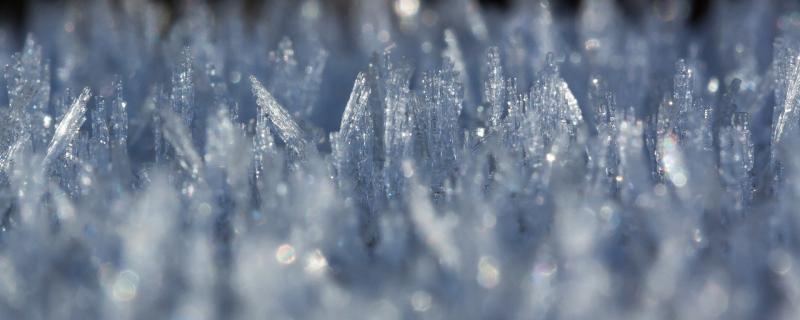
The field of material science has become exciting in the recent past with scientists discovering some remarkable properties and behaviour of novel materials. In one such study, researchers from the National Institute of Technology, Meghalaya, India, and the New York University Abu Dhabi, UAE have designed a versatile crystal material that can be twisted with heat, bent with light, is elastic and can heal itself by heating or cooling.
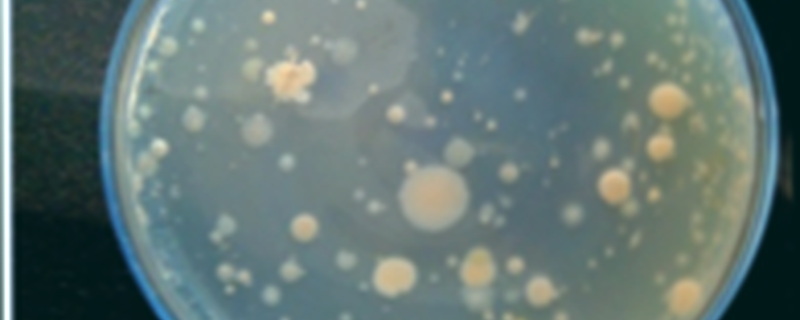
A collaborative study by researchers from Punjab University, Indian Institute of Technology (IIT) Delhi, Banasthali University, TERI University and the Jawaharlal Nehru University has identified how a particular gene in Mycobacterium tuberculosis, the causative agent of tuberculosis (TB), mutates to avoid the action of antibiotics.
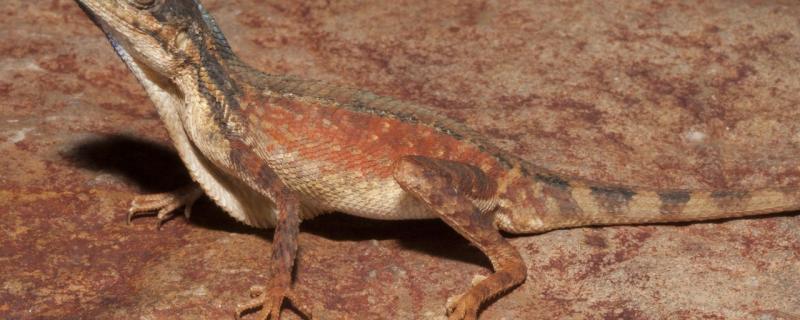
Researchers from the Indian Institute of Science, Bangalore and the Natural History Museum, London, discover two new species of Fan throated lizards in the barren outcrops of the Deccan Plateau.
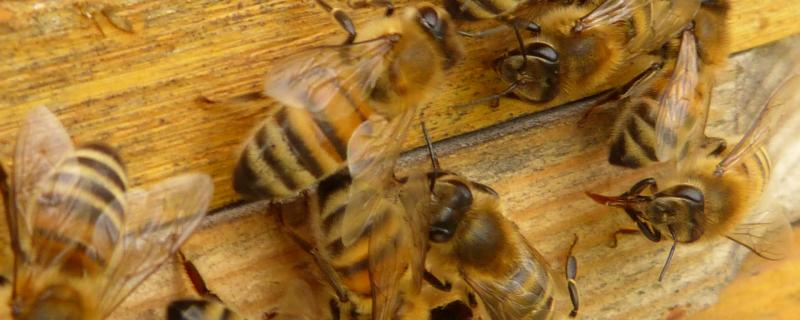
If you were a travelling salesman, who travels to many places selling something, the most challenging part of the job is to find the shortest route to these places without visiting any of them twice. But, did you know many birds, animals and even insects like bees solve a similar problem in their daily lives while searching for food?