Authored by
Research Matters

IIT Palakkad study shows how different indices used to predict drought combined with effects fof climate change can lead to different climate predictions for the future
IIT Palakkad study shows how different indices used to predict drought combined with effects fof climate change can lead to different climate predictions for the future

Researchers from CSIR – Centre for Cellular and Molecular Biology (CCMB), Indian Institute of Technology Guwahati and MNR Dental College & Hospital, Hyderabad have developed an electrochemical nanobiosensor that can efficiently diagnose invasive aspergillosis

Study from Nalanda University, Bihar, explores whether the drinking water from bottles is following the standards set by Bureau of Indian Standards and is safe for consumption.
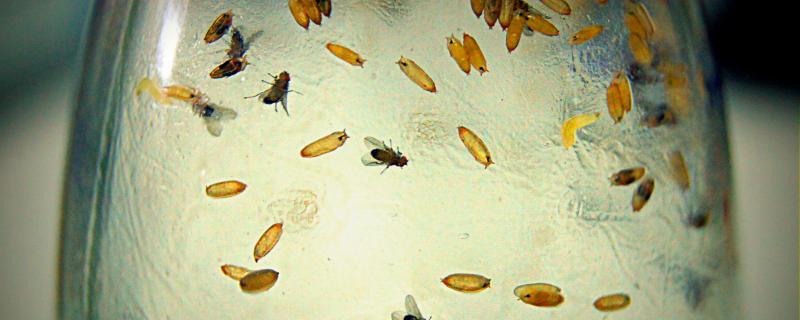
Scientists from the National Centre for Biological Sciences, Bangalore study what neurons are involved in the identification of bitter substances by fruit flies.
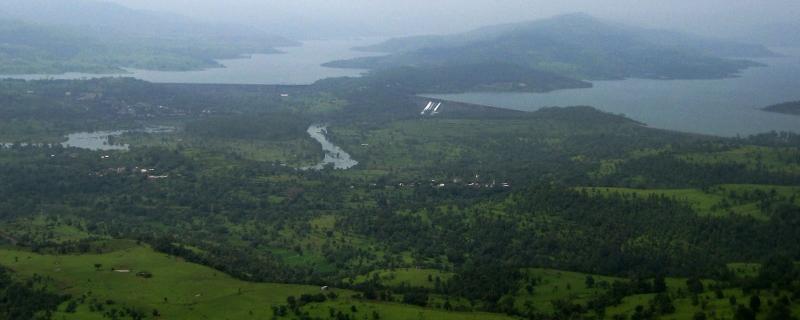
Researchers from the Indian Institute of Technology, Bombay propse a novel algorithm that can help solve problems involving systems with multiple components, such as irrigation canals.

The Vembanad lake in Alappuzha, Kerala, has developed a unique ecosystem due to different laws. The Vembanad Fish Count is a citizen science initiative that helps study the diveristy of fish in this Ramsar site.
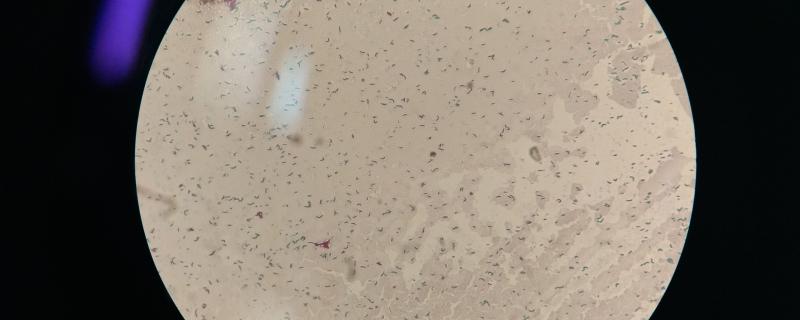
Researchers from the Indian Institute of Science, Bengaluru, display how a class of toxins, called the pore-forming toxins, work to destroy our cells.
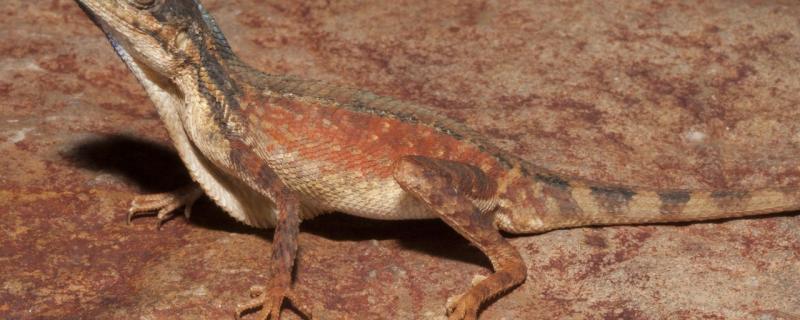
Researchers from the Indian Institute of Science, Bangalore and the Natural History Museum, London, discover two new species of Fan throated lizards in the barren outcrops of the Deccan Plateau.

Scientists from the Indian Institute of Technology, Bombay, find relationship between the number of copies of a particular set of genes and the size of the amoeba viruses that help these viruses to gain easy entry into their host.
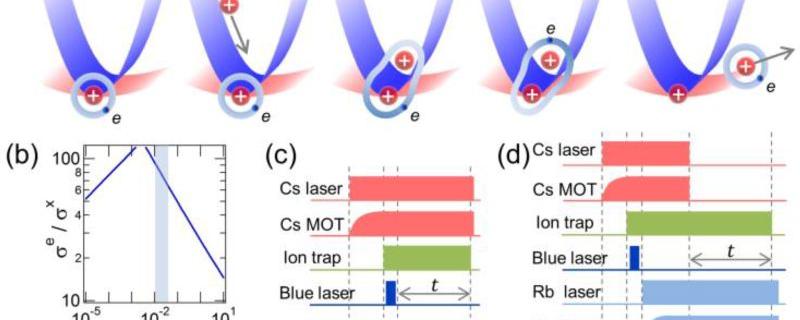
Researchers Sourav Dutta and Sadiq Rangwala at the Raman Research Institute (RRI), Bengaluru have developed a novel method of cooling ions based on a phenomenon called resonant charge exchange (RCE).

Researchers from the Ashoka Trust for Research in Ecology and the Environment (ATREE), have analysed how climate change could affect the habitats of the Nilgiri Tahr in the years to come.