Authored by
Research Matters

IIT Palakkad study shows how different indices used to predict drought combined with effects fof climate change can lead to different climate predictions for the future
IIT Palakkad study shows how different indices used to predict drought combined with effects fof climate change can lead to different climate predictions for the future

A sneak peak into the world of the moth, a severely under studied insect that is in dire need of conservation.

Researchers from Jawaharlal Nehru University, National Institute of Plant Genome Research and CSIR-Indian Institute of Toxicology Research, India, have identified a new strain of bacteria, β-proteobacterium Pandoraea, that can help break up lignin and decompose it. The bacterial strain produces polyhydroxyalkanoates (PHAs) which have the potential to replace conventional plastics.

Researchers from IISER Bhopal proposed a method of protein labelling to develop selective and sensitive drugs that could be used to treat a variety of diseases. It can be used to develop less harmful cancer chemotherapeutics.

Researchers from the Indian Institute of Science, Bengaluru, Institute of Mathematical Sciences (IMSc), Chennai and University of Leeds, UK study the role of the genes that control our immune response and how they play a crucial role in countering the spread of H1N1 influenza.

In a recent article published in the `Science’ magazine, titled ‘When the cure kills—CBD limits biodiversity research’, researchers have questioned the Convention on Biological Diversity (CBD), a framework formulated to conserve biodiversity.

Researchers from the Indian Institute of Science, Bengaluru, find the mechanism which enhances inflammation and highlights its important applications.
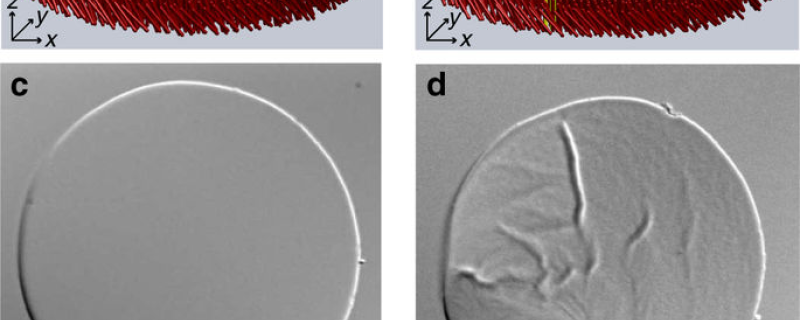
Researchers from the Indian Institute of Science (IISc), Indian Institute of Technology Bombay (IITB) and the Raman Research Institute (RRI) have investigate how materials undergo such deformations, and how they can be controlled to manufacture materials with the desired properties.
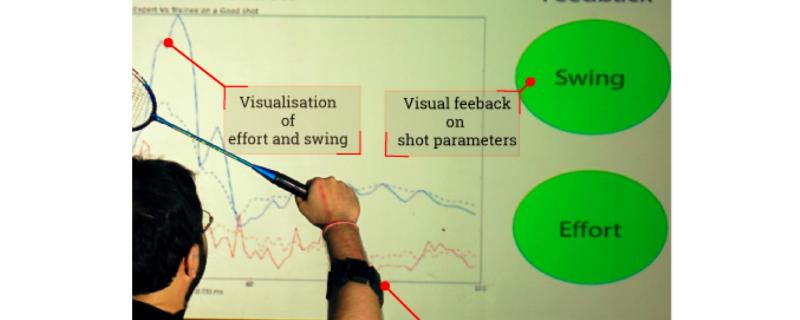
IIT Bombay researchers design a badminton training system using wearable technology.

Researchers from the Indian Institute of Technology, Bombay, show that pomegranates are more than just a tasty treat. Their new method is a cost-effective, zero-waste method of extracting oil from pomegranate seeds, which also yields high-quality protein and dietary fibres.

Researchers from National Centre for Biological Sciences (NCBS), Bengaluru, Fergusson College, Pune and Veer Narmad South Gujarat University, Gujarat unravel the taxonomy of Hemidactylus triedrus, commonly known as the termite hill gecko.