Authored by
Research Matters
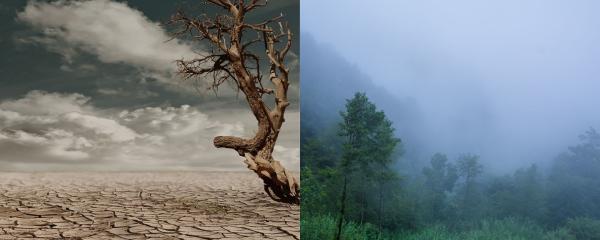
IIT Palakkad study shows how different indices used to predict drought combined with effects fof climate change can lead to different climate predictions for the future
IIT Palakkad study shows how different indices used to predict drought combined with effects fof climate change can lead to different climate predictions for the future

Researchers from the Novosibirsk State University, Russia, ETH Zurich, Switzerland, Institute of Seismological Research, India, and King Saud University, Saudi Arabia, have proposed a new collision zone in central India, where a new mountain chain could grow in the near geological future.

Researchers from the St. John’s Research Institute, Bengaluru, University of Agricultural Sciences, Bengaluru in collaboration with the Scottish Universities Environmental Research Center, UK, try to answer how much of the proteins that we eat is actually digested and absorbed by the body.
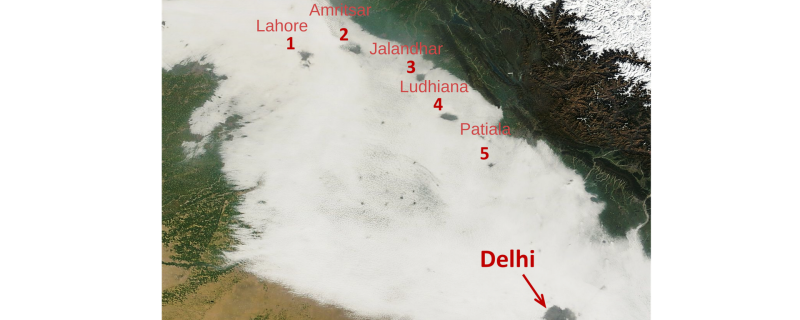
Research from the Indian Institute of Technology, Bombay, shows how persistence of fog over urban area has changes due to higher temperatures in the cities.

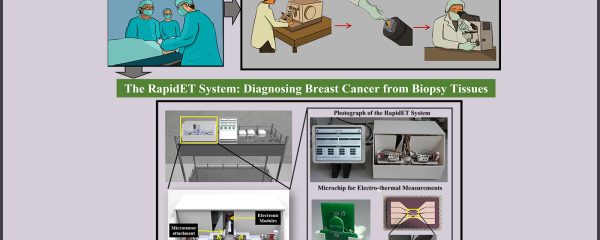
Cancer, a condition where healthy cells in the body grow out of control and instead of undergoing programmed death, keep multiplying without a check, has now become quite widespread. Most of us are familiar with the disease either through personal experience or a loved one battling it.
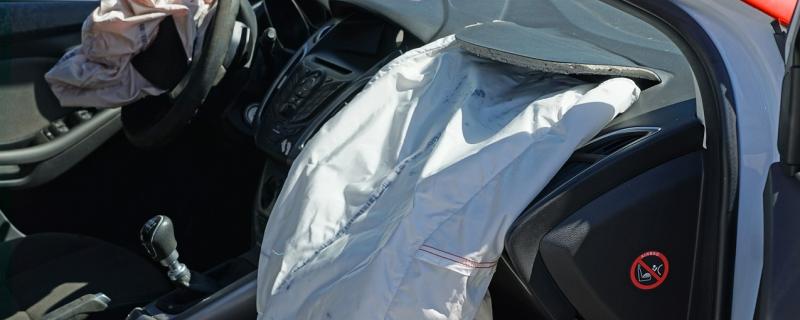
Researchers at the Indian Institute of Science design a compact and fast piezoelectric crash sensor.
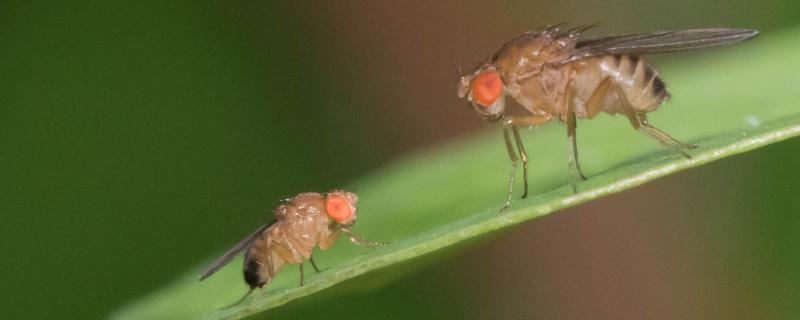
Researchers from IISER Pune, have reported that environment and evolution can influence the ‘dispersal syndrome’ in fruit flies. This study was supported by the DST, Government of India.
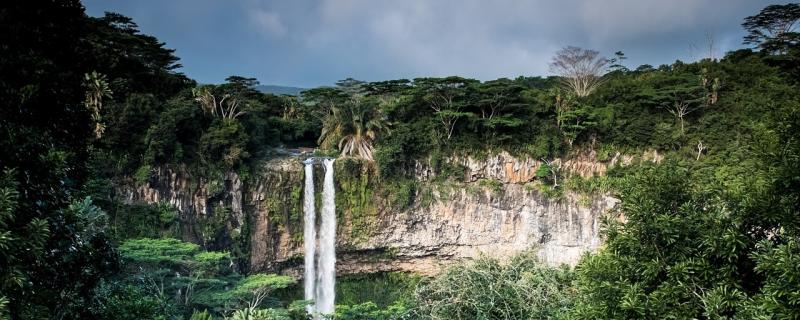
An international team of researchers phylogenetically classified the world’s tropical forests into five principal floristic regions.

Researchers from RRI, Bengaluru and their collaborators at Leiden University, Netherlands, and the American University of Beirut, Lebanon, delved into the lives of nuclear stars, and how gravity influences their orbits. They have identified instabilities, driven by the gravitational interactions between the stars themselves and the central black hole, this can drive a disc full of stars on nearly circular orbits into a state where the disc has more elongated orbits.

Researchers from the IASST, Guwahati, used a combination of cutting-edge nanotechnology, antibiotics and enzymes, to punch holes in the defences of the bacterium Methicillin-Resistant Staphylococcus aureus and kill it.

Researchers from IIT Kanpur extract a mineral from mutton bones to drive light-based chemical reactions.