Authored by
Research Matters

IIT Palakkad study shows how different indices used to predict drought combined with effects fof climate change can lead to different climate predictions for the future
IIT Palakkad study shows how different indices used to predict drought combined with effects fof climate change can lead to different climate predictions for the future
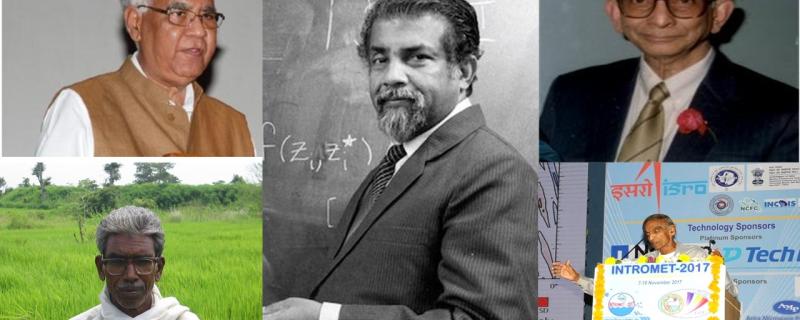
As the curtain falls on 2018, here is a tribute to those great Indian scientists and innovators who died in the year. These eminent people contributed to various fields of science and helped put India in the frontiers of global scientific advancements. This is in no way an exhaustive list, but it is an effort to bring to the fore the achievers who have left an indelible mark behind.
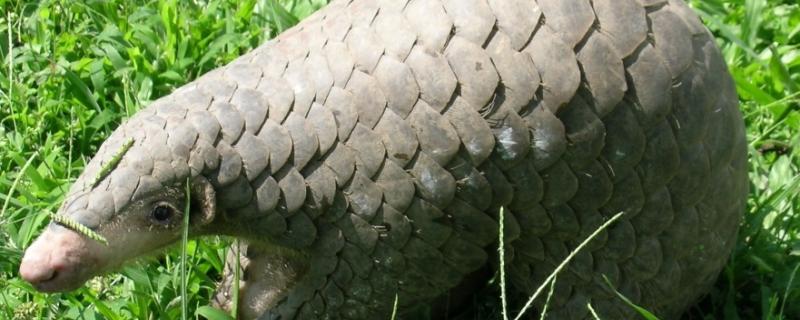
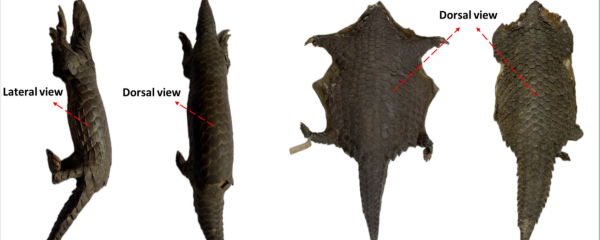
Researchers at the World Animal Protection and University of Oxford, UK, have analysed why some rural tribes in Assam hunt pangolins, the motivation behind this and possible interventions to stop hunting.

Study from IIT Bombay finds that airborne pollutants affect the water available for agriculture.
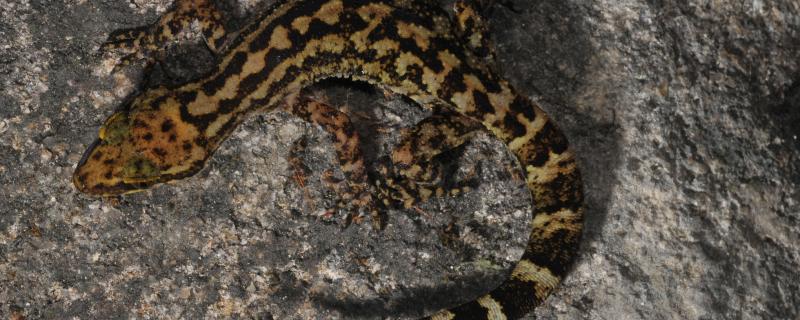
Researchers discover eight new species of bent-toed geckos in the Northeast states of India.

Researchers from the CSIR-National Physical Laboratory looked at the possibility of having two time zones for India. They propose to introduce a new time zone, called IST-II, for states on the east of West Bengal and also have suggested a feasible way to implement it.

Experimental evidence from IIT Bombay supports new theory to explain how liquid sheets turn to mist

Researchers from IIT Mandi, and the North Eastern Hill University, Shillong, have found molecules that could potentially stop cancer cells from flushing out drugs. This research could lead to a cure for multidrug resistance in cancer cells.
Researchers from the National Centre for Cell Science, Pune and Kalinga Institute of Industrial Technology (KIIT), Bhubaneswar, have identified a novel noncoding RNA that causes cancer in mice.
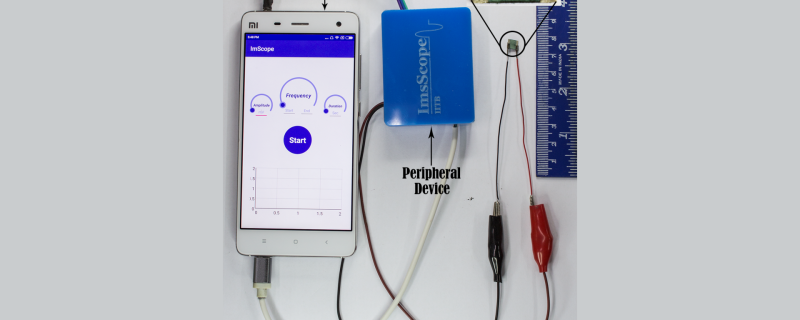
Researchers at the Indian Institute of Technology Bombay (IIT Bombay) have developed a new life-saving device that can detect heart attacks early on using a smartphone. The innovative sensor, conceptualised by students Debasmita Mondal and Sourabh Agrawal, and guided by Prof. Soumyo Mukherji, won the recently presented 2018 Gandhian Young Technological Innovation award recently.
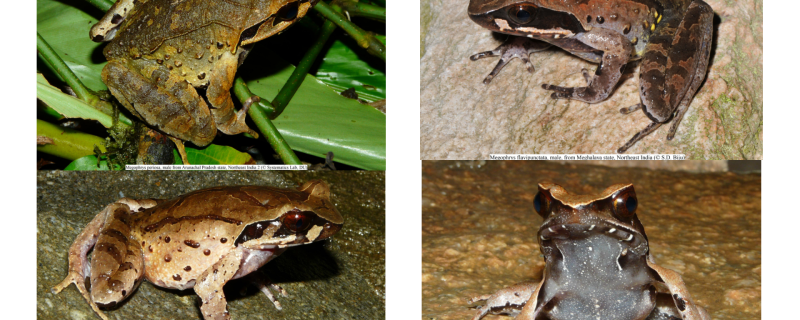
A team of Irish and Indian biologists from the University College Dublin (UCD), Ireland, the Natural History Museum (NHM), UK, and the University of Delhi (DU), India, have provided detailed descriptions of these newly discovered frogs.