Authored by
Research Matters
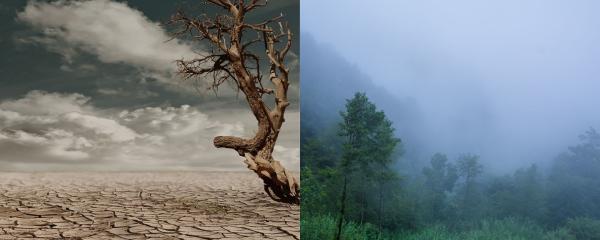
IIT Palakkad study shows how different indices used to predict drought combined with effects fof climate change can lead to different climate predictions for the future
IIT Palakkad study shows how different indices used to predict drought combined with effects fof climate change can lead to different climate predictions for the future
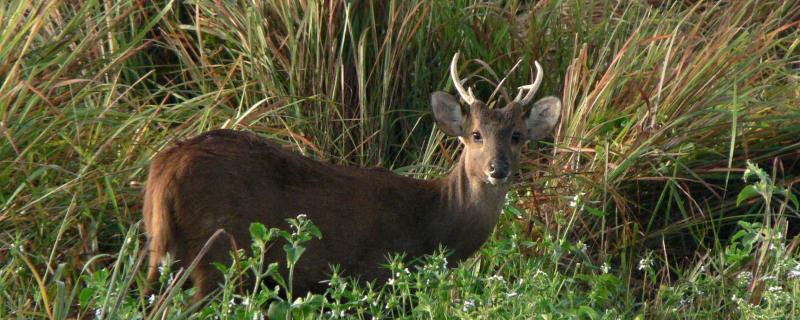
Researchers from the Wildlife Institute of India, Dehradun, have discovered a new subspecies of hog deer (Axis porcinus) in Northeast India, which was earlier thought to have been found only in southeast Asia.

In a first, a study by researchers at the Mahatma Gandhi University, Kottayam, Kerala, has reported that microplastics have been found in the sediments of the Vembanad Lake, a wetland ecosystem recognised internationally by the Ramsar Convention.

Scientists from IIT Bombay devise a method to grow nanographene on copper using atomic hydrogen at lower temperatures.
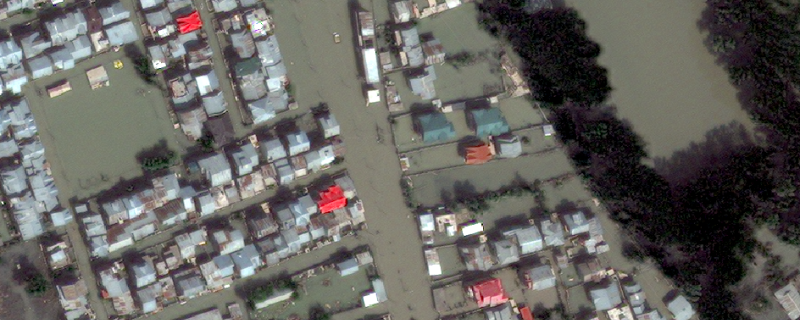
Researchers propose a system to enable faster search of satellite images to help in rescue operations.

Researchers from IISER Kolkata, have discovered that stray dogs understand our intentions and respond to them accordingly.

Researchers from IIT Bombay are working on methods to ease the machining of titanium through annealing.
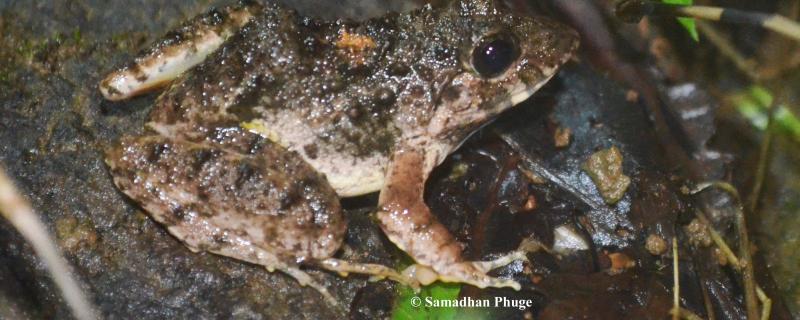
The year 2018 was exciting for herpetologists in India as over 20 new species of frogs and geckos were discovered here. As we ring in 2019, the excitement continues to live on as researchers from Pune’s Savitribai Phule Pune University and the Zoological Survey of India, Kolkata, have discovered a new species of cricket frog from the northern Western Ghats in Maharashtra.
![Photo : urbzoo [ CC BY 2.0 ] via Wikimedia Commons](/sites/researchmatters_stage/files/styles/large_front_800x320/public/main_11.jpg?itok=HifgH4XS "Photo : urbzoo [ CC BY 2.0 ] via Wikimedia Commons")
IIT Bombay researchers study the effects of poor ventilation on occupants of low-income households

Sperman helped himself to a short break. He had tirelessly divided and divided for the last couple of days, that he had lost sight of where he was! Feeling thoroughly drained, he looked around hoping to find someone to ask for help. But, no one seemed to be bothered!
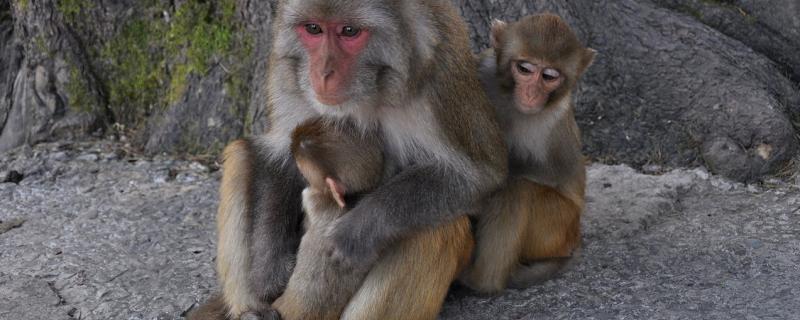
Researchers from IISc, Bengaluru, and the Kerala Forest Department, have reported the presence of the human malaria parasite, Plasmodium falciparum, in two species of Indian monkeys.