Authored by
Research Matters
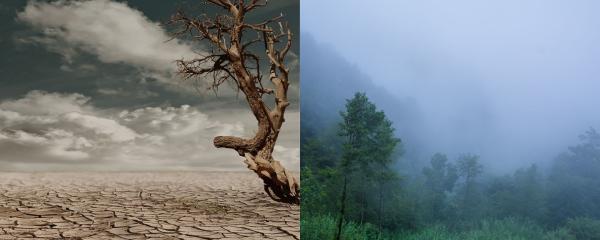
IIT Palakkad study shows how different indices used to predict drought combined with effects fof climate change can lead to different climate predictions for the future
IIT Palakkad study shows how different indices used to predict drought combined with effects fof climate change can lead to different climate predictions for the future
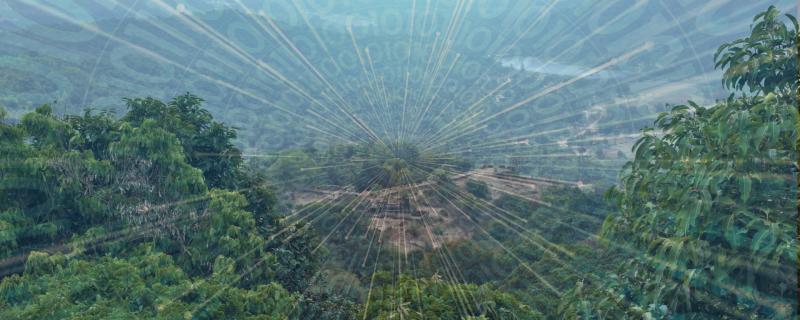
Forests, with their rich biodiversity, play a critical role not only in the ecology of a region but also in social systems that involve humans. Researchers from the University of Illinois, USA, used artificial intelligence to evaluate the forest management policies in Himachal Pradesh, India.
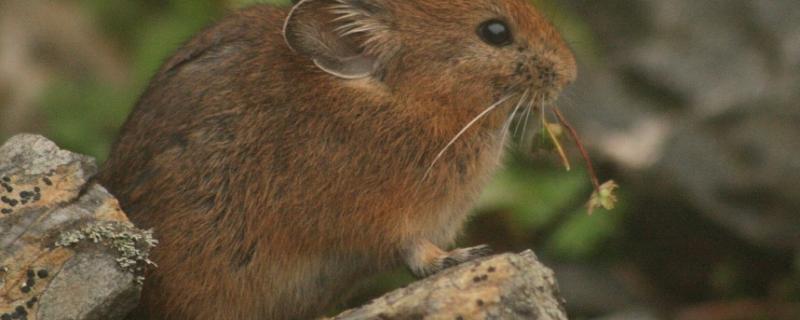
Researchers from IISc have found evidence that climate change is threatening the mountain-dwelling Royle’s pika.

A conversation with Deccan Herald, Prof Rajaram Nityananda, a well-known Indian physicist who is now a Professor at the Azim Premji University, Bengaluru, sheds some light on how scientists captured the image of a black hole and the role of radio astronomy in this achievement.

Researchers from the Natural History Museum, London, Wayanad Wild, the Wildlife Institute of India, Nature, Environment and Wildlife Society, and the Zoological Survey of India discover a new species of vine snake Ahaetulla laudankia in Odisha, India.

All the electronic devices that we use today have components made of semiconductors, mostly silicon. In recent years, gallium nitride, another semiconductor, is making its way into electronics. It is better suited for high power and high-frequency applications. Researchers from IISc have developed India’s first-ever e-mode gallium nitride power transistor, whose performance is comparable to some of the best reports till date.
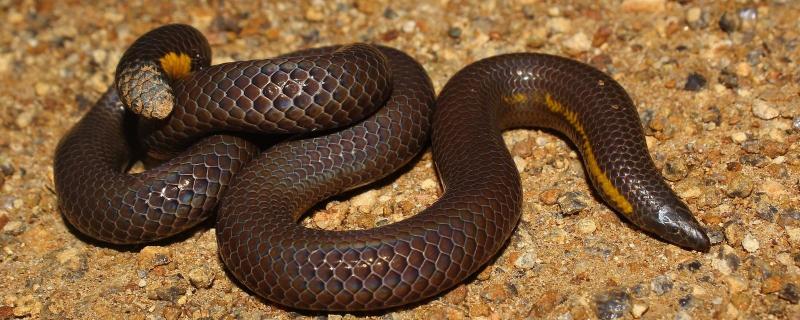
Researchers from the Sálim Ali Centre for Ornithology and Natural History (SACON), Coimbatore, and the Natural History Museum (NHM), London, UK, discover a new species of shieldtail snake, Uropeltis Bhupathyi, from the Anaikatty Hills in Coimbatore, Tamil Nadu.
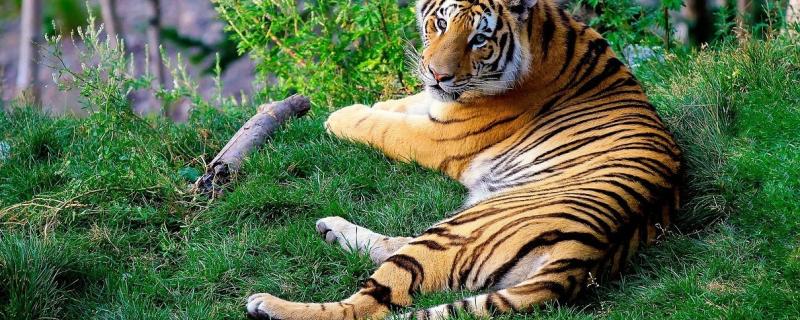
Two Russian institutes—A.N.Severtsov Institute of Ecology and Evolution and Moscow State Agricultural University, and the Centre for Cellular and Molecular Biology, India, have compared the chemical contents of the faecal matter of the Amur and Bengal tigers to examine the stress levels of these tigers in India and Russia.
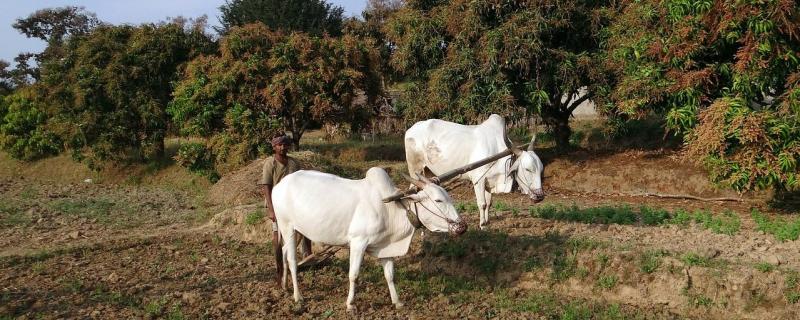
Researchers at the Indian Institute of Technology, Kanpur, have developed a biomolecule-based fertiliser that can help address the drawbacks of chemical fertilisers.

A multi-national team of scientists spanning Asia, Europe, South America and Australasia, including researchers from the Indian Institute of Technology Delhi, have surveyed nearly 17,000 people across 39 countries to understand why interpersonal relationships differ between societies.

Melting glaciers, rising sea levels and the threat to biodiversity are some of the conspicuous impacts of global warming. However, the repercussions of this warming are multifaceted and complex than what we understand today.