Authored by
Research Matters
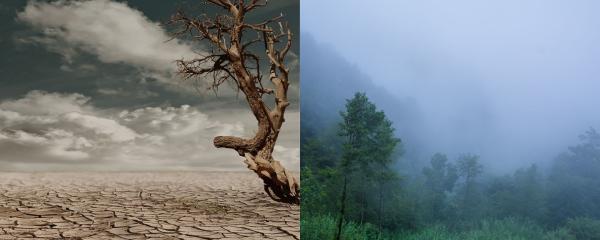
IIT Palakkad study shows how different indices used to predict drought combined with effects fof climate change can lead to different climate predictions for the future
IIT Palakkad study shows how different indices used to predict drought combined with effects fof climate change can lead to different climate predictions for the future
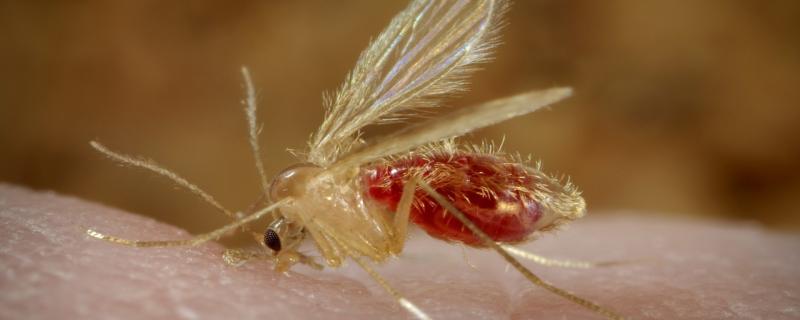
Visceral leishmaniasis, or kala-azar, is an insidious disease that affects thousands of people every year. This illness can be fatal, if not diagnosed and treated on time. However, despite best efforts, India still lags behind in eliminating this disease completely. A recent study published in the journal PLOS Neglected Tropical Diseases has investigated the factors that lead to the delayed diagnosis and treatment of kala-azar.
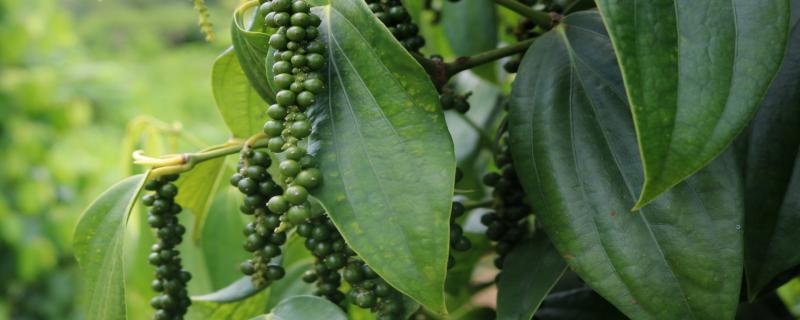
A team of researchers from the ATREE, Bengaluru, Concordia University, Canada, Quebec Centre for Biodiversity Science, Canada, and Jawaharlal Nehru Tropical Botanical Garden and Research Institute, Kerala, have traced the biogeographical origins of Piper genus in India.
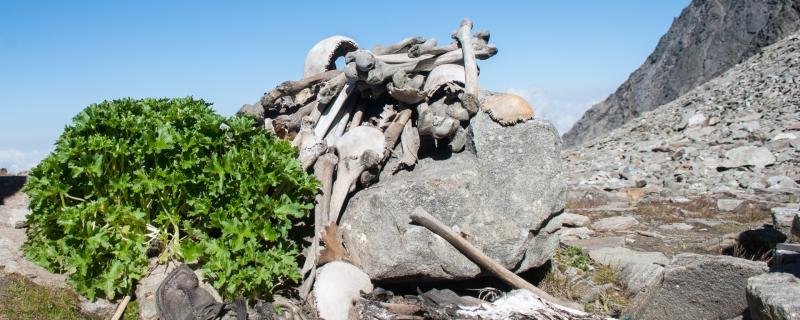
Roopkund is a small Himalayan glacial lake in Uttarakhand, situated at an altitude of about 16,470 feet. With its breathtaking scenery, it is a popular trekking destination. However, there is more to this mysterious lake—hundreds of ancient human skeletons lie scattered here, earning it the name ‘skeletons lake’. In a recently published decade-long study, an international team of researchers seem to have traced the origins of these puzzling skeletons.
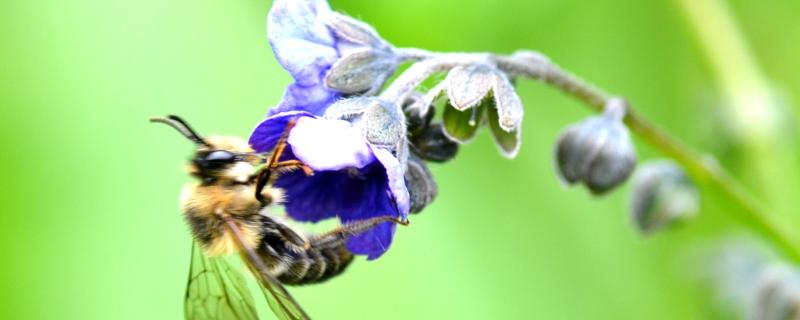
Researchers from the Zoological Survey of India describe a new species of bee Melitta indica from Uttarakhand, India
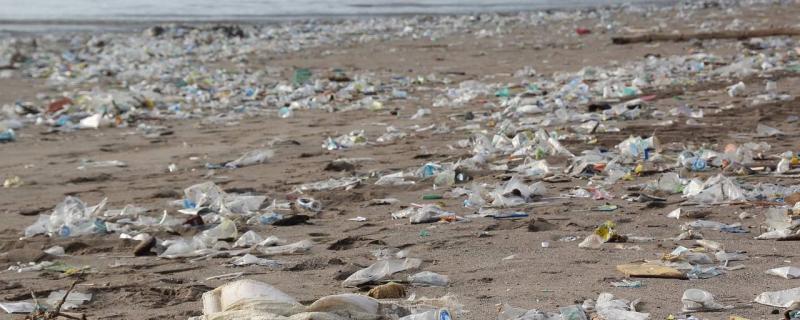
Researchers from Savitribai Phule Pune University have identified two strains of fungi, Aspergillus terreus and Aspergillus sydowii, which can degrade polythene under laboratory conditions.

Researchers from Singapore, Thailand and the USA, have created an antidiabetic medicine using extracts from Withania coagulans, commonly known as the Indian Rennet or paneer dodi.

About 6,000 years ago, an unfortunate dog suffered from a relatively rare form of cancer. Since then, unlike any other cancer, its cancer cells were swiftly transmitted from one dog to another. Today, this age-old ailment has a name—Canine Transmissible Venereal Tumour or CTVT. In a recent study, they traced the history of CTVT to Asia, and in the process, helped understand the evolution of cancer in the long term.
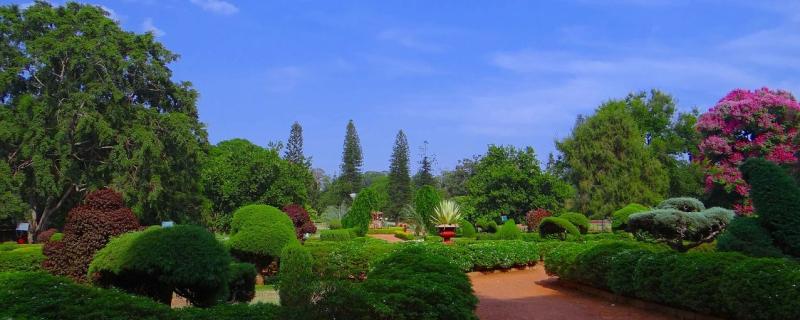
Bengaluru’s decreasing tree cover and expanding concrete jungle in recent decades paints a grim picture of the city’s biodiversity. The tales of sparrows nesting on the roofs, parakeets pecking on the juiciest fruit in the backyard tree or the myriad coloured butterflies dancing in the garden are now fragments of imagination! So where have all the birds, animals and insects gone?
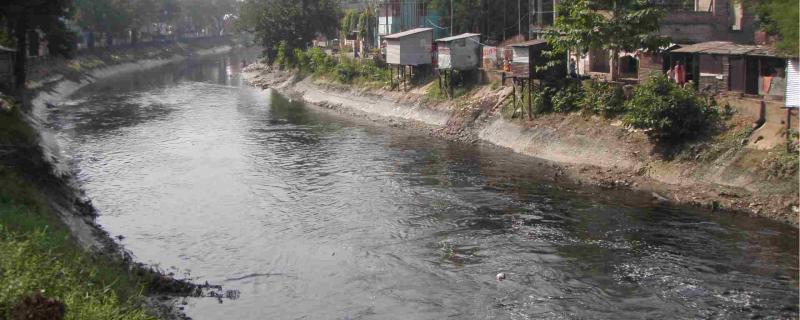
Researchers identify a bacterial strain that prefers aromatic pollutants over sugar as food